Understanding the Decorative Gold Chain Decorative Element for Professional Design
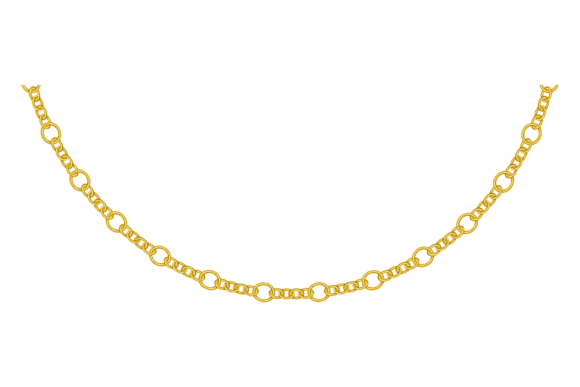
In the landscape of digital design and print production, the decorative gold chain decorative element serves as a versatile asset that bridges the gap between classic elegance and modern layout requirements. For professionals ranging from graphic designers to small business owners, integrating high-quality metallic textures into visual projects can significantly elevate brand perception. However, the utility of such an asset depends entirely on its technical execution and adaptability across various media formats. This analysis explores the practical applications, technical specifications, and strategic value of utilizing a golden necklace isolated on white background, available in EPS, JPG, SVG, and transparent PNG formats.
The Strategic Value of Metallic Accents in Visual Communication
Gold has long been associated with luxury, quality, and prestige. In marketing and branding, these psychological associations are leveraged to communicate value without explicit verbal claims. A decorative gold chain decorative element allows creators to inject this sense of premium quality into diverse projects, from wedding invitations and packaging designs to social media graphics and website headers. The key to effective usage lies in the realism of the render and the flexibility of the file formats provided.
When evaluating a digital asset like a golden necklace, one must consider more than just aesthetic appeal. The primary strength of a well-executed decorative element is its ability to blend seamlessly into existing compositions. Whether used as a border, a focal point, or a subtle textural overlay, the element must maintain visual consistency with other design components. Poorly rendered metals can appear flat or artificial, undermining the intended message of sophistication. Therefore, the availability of vector formats such as EPS and SVG is crucial for maintaining sharpness and detail at any scale.
Technical Specifications and Format Versatility
The true professional value of a decorative gold chain decorative element is revealed in its file structure. A comprehensive asset package typically includes EPS, JPG, SVG, and transparent PNG files. Each format serves a distinct purpose in the workflow of a designer or content creator.
- EPS (Encapsulated PostScript): This vector format is essential for print production. It allows for infinite scalability without loss of quality, making it ideal for large-format prints such as banners, posters, or packaging. Designers can adjust colors and gradients within the vector paths to match specific brand guidelines.
- SVG (Scalable Vector Graphics): For web and digital interface design, SVG is the preferred standard. It ensures crisp rendering on high-resolution screens and allows for interactive manipulation via CSS or JavaScript. This format is particularly valuable for developers building responsive websites where load times and clarity are paramount.
- JPG (Joint Photographic Experts Group): While lacking transparency, JPG files are useful for quick previews or contexts where a solid background is acceptable. They are universally compatible but should be used cautiously in layered compositions due to the lack of alpha channels.
- Transparent PNG: This raster format is indispensable for digital compositing. The transparent background allows the golden necklace to be placed over any color or texture without manual masking. High-resolution PNGs preserve the intricate details of the chain links and light reflections, ensuring a realistic appearance.
The inclusion of a golden necklace isolated on white background provides an additional layer of convenience. For users who may not have advanced editing skills, the isolated white background allows for easy removal using basic tools or automatic background removers. However, professionals will likely prefer the transparent PNG or vector files to ensure clean edges and proper blending modes.
Practical Applications Across Industries
The versatility of the decorative gold chain decorative element makes it suitable for a wide range of industries and project types. Understanding where and how to apply this asset can maximize its impact.
Branding and Identity Design
For luxury brands, jewelry stores, or high-end service providers, incorporating gold elements into logos or brand collateral reinforces a premium identity. A gold chain can serve as a frame for typography or as a standalone icon representing connectivity and value. When used in business cards or letterheads, the metallic sheen—simulated through careful gradient work in print—adds a tactile dimension to the physical experience.
Event Marketing and Invitations
Wedding planners and event coordinators frequently utilize decorative chains to convey elegance and celebration. In digital invitations or printed save-the-dates, a gold chain border can structure the layout and draw attention to key information. The organic curves of a necklace contrast effectively with rigid typographic grids, creating a balanced and visually engaging composition.
Digital Content and Social Media
Content creators and marketers use gold accents to highlight promotions or special offers. A decorative gold chain decorative element can frame a product image or serve as a divider between sections in Instagram stories or Pinterest pins. The visual weight of gold helps guide the viewer’s eye, improving engagement rates by emphasizing critical calls to action.
Evaluating Quality and Usability
Not all digital assets are created equal. When selecting a decorative gold chain decorative element, several factors determine its long-term value and usability.
Realism and Lighting: The most convincing gold renders exhibit complex lighting interactions. Highlights should reflect logically off the curved surfaces of the chain links, while shadows provide depth and dimension. Flat, uniform yellow tones fail to convey the metallic property effectively. High-quality assets will include nuanced gradients and specular highlights that mimic real-world physics.
Edge Precision: In raster formats like PNG, edge aliasing can ruin the illusion of realism. Clean, anti-aliased edges are essential for seamless integration into layered designs. Vector formats eliminate this concern entirely, offering mathematically precise paths that remain sharp regardless of magnification.
Flexibility and Customization: The ability to modify the asset is a significant advantage. Vector files allow designers to change the hue of the gold to rose gold, white gold, or bronze with minimal effort. This adaptability ensures the element can align with varying seasonal trends or specific brand palettes without requiring a new purchase.
Limitations and Considerations
While a decorative gold chain decorative element is a powerful tool, it is not without limitations. Overuse can lead to visual clutter, detracting from the core message of the design. Gold elements work best when used sparingly as accents rather than dominant features. Additionally, printing metallic effects requires specific techniques, such as foil stamping or metallic inks, which may increase production costs. Digital simulations of gold may not translate perfectly to print without careful color management and proofing.
Furthermore, designers must be mindful of cultural connotations. While gold generally signifies wealth and success, its interpretation can vary across different demographics. Contextual awareness ensures that the use of such elements resonates appropriately with the target audience.
Conclusion: Integrating Gold Elements into Your Workflow
The decorative gold chain decorative element represents a practical investment for professionals seeking to enhance the perceived value of their visual communications. By providing multiple file formats including EPS, JPG, SVG, and transparent PNG, a well-packaged asset accommodates both print and digital workflows. The isolated presentation on a white background further simplifies the editing process for users of all skill levels.
For entrepreneurs, marketers, and designers, the decision to incorporate such elements should be driven by strategic intent. When used with restraint and technical precision, a golden necklace isolated on white background can transform ordinary designs into sophisticated visual statements. The key lies in selecting high-quality renders that offer realism, flexibility, and ease of use. As visual standards continue to rise, access to reliable, versatile assets like these becomes increasingly essential for maintaining a competitive edge in creative projects.