Understanding the Decorative Floral Corner Frame Vector for Professional Design
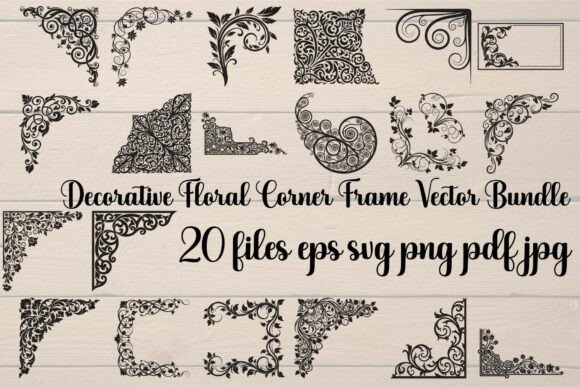
In the realm of graphic design and digital crafting, the distinction between a generic image and a professional asset often lies in scalability and precision. A Decorative Floral Corner Frame Vector represents a specific category of design resource that bridges the gap between ornamental aesthetics and technical utility. Unlike standard raster images, which can pixelate when resized, vector-based floral corners maintain crisp edges at any dimension. This makes them indispensable for designers working across diverse mediums, from large-format wedding invitations to intricate laser-cut jewelry.
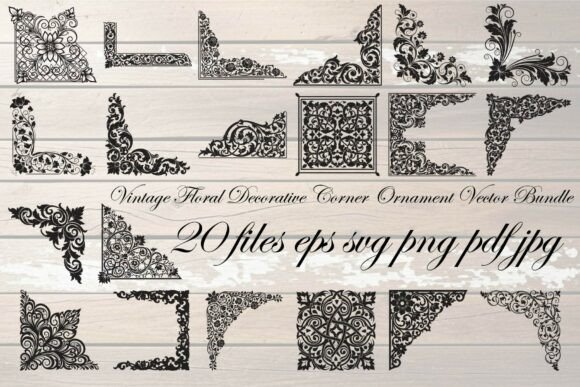
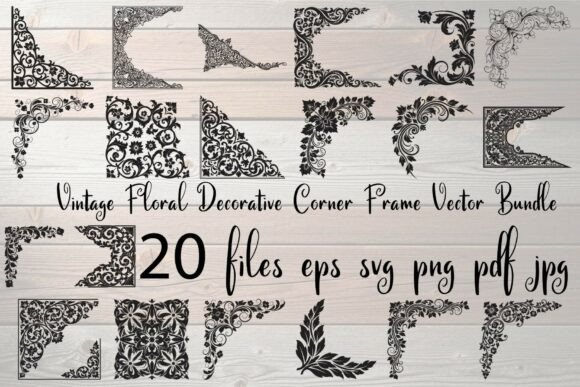
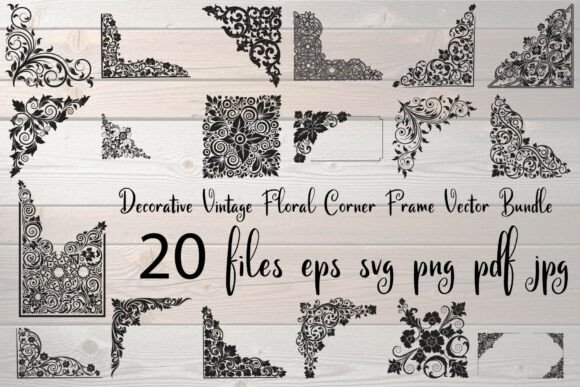
The appeal of these assets extends beyond their visual charm. They offer a structured approach to layout design, providing ready-made anchors that frame content without overwhelming it. For professionals and hobbyists alike, understanding the nuances of these files—specifically those bundled in formats like AI, EPS, SVG, PNG, JPG, and PDF—is crucial for selecting the right tool for a specific project.
The Distinct Value of Vector-Based Ornamentation
When evaluating design resources, it is essential to distinguish between decorative elements that are merely aesthetic and those that are functionally versatile. A high-quality Decorative Floral Corner Frame Vector is characterized by clean paths, balanced curves, and thoughtful negative space. These features ensure that the design remains legible and visually appealing whether it is printed on a business card or engraved onto wood.
The vintage and ornamental style commonly found in these bundles taps into a timeless design language. Classic floral motifs evoke elegance and tradition, making them particularly suitable for formal events such as weddings, anniversaries, and certification ceremonies. However, the true value lies in the technical execution. Because these vectors are fully editable, users can modify stroke weights, adjust colors, or simplify complex curves to suit specific production methods. This level of control is rarely available with static image files.
Furthermore, the inclusion of multiple file formats in a comprehensive bundle addresses the varied needs of modern creators. While Adobe Illustrator and CorelDRAW users may prefer native AI or EPS files for deep editing, crafters using Cricut or Silhouette machines often require clean SVG files for cutting. Meanwhile, web designers might opt for high-resolution PNGs with transparent backgrounds for quick integration into digital layouts. A well-curated bundle eliminates the need to convert files manually, preserving quality and saving time.
Comparing Vectors to Raster Images and Pre-Made Templates
To make an informed decision about incorporating floral corner frames into your workflow, it is helpful to compare them with alternative resources. The primary alternative to vector graphics is raster imagery, such as JPEGs or standard PNGs. While raster files are ubiquitous and easy to use, they suffer from resolution dependency. Enlarging a raster floral corner often results in jagged edges and loss of detail, which is unacceptable for professional print work or large-scale signage.
In contrast, a Decorative Floral Corner Frame Vector is mathematically defined, allowing for infinite scalability. This distinction is critical for projects that require versatility. For instance, a designer might use the same floral element for a small logo accent and a large banner background. With vectors, this is seamless; with rasters, it would require sourcing multiple versions of the same image.
Another comparison point is the difference between standalone vector elements and pre-made template designs. Templates offer convenience but often lack flexibility. They dictate the layout, color scheme, and overall composition, which can restrict creativity. Standalone vector corners, however, act as modular components. Designers can mix and match different floral styles, rotate them to fit various corners, or combine them with other geometric shapes to create unique borders. This modularity supports a more customized and brand-consistent outcome.
Practical Applications and Best-Fit Scenarios
Identifying when to use a Decorative Floral Corner Frame Vector depends largely on the project’s requirements for precision and aesthetic tone. These assets are particularly well-suited for industries where presentation and perceived value are paramount.
- Wedding and Event Stationery: The elegant, swirling nature of vintage floral corners complements formal typography. They can frame invitation text, menu cards, or place settings, adding a touch of sophistication without cluttering the design.
- Certificates and Awards: Official documents benefit from the structured authority that ornamental borders provide. Vector formats ensure that fine details remain sharp even when printed on textured paper or specialty stocks.
- Packaging Design: For luxury goods, subtle floral accents can elevate packaging from functional to premium. Vectors allow designers to adjust the opacity or color to match brand guidelines precisely.
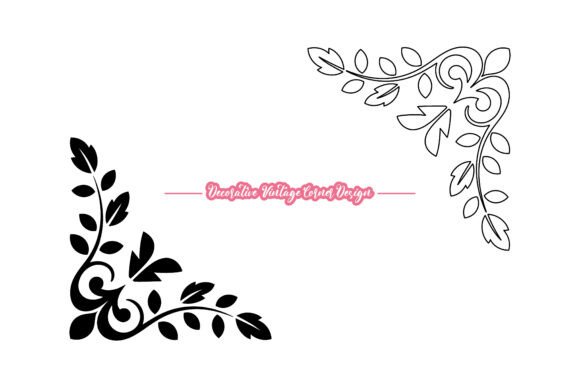
- Digital Crafting and Laser Cutting: Crafters using machines like Cricut or Silhouette require clean, closed paths for accurate cutting. High-quality SVG files from a vector bundle ensure that the machine follows the intricate curves of the floral design without errors or unnecessary weeding.
In each of these scenarios, the ability to edit the vector file is a significant advantage. Designers can simplify complex swirls for easier cutting or expand delicate lines for better visibility on dark backgrounds. This adaptability makes the Decorative Floral Corner Frame Vector a versatile tool rather than a static decoration.
Limitations and Considerations for Selection
While vector floral corners offer numerous benefits, they are not a universal solution for every design challenge. Understanding their limitations helps prevent misuse and ensures realistic expectations.
One consideration is the learning curve associated with vector editing software. To fully leverage AI or EPS files, users need familiarity with tools like Adobe Illustrator or CorelDRAW. Those unfamiliar with bezier curves and path manipulation may find these files intimidating compared to drag-and-drop raster images. However, the inclusion of SVG, PNG, and JPG files in a comprehensive bundle mitigates this issue, offering accessible options for less experienced users.
Another factor is stylistic compatibility. Vintage and ornamental styles, while classic, may not align with modern, minimalist, or industrial design aesthetics. Overusing intricate floral corners in a contemporary layout can create visual dissonance. Designers should evaluate whether the ornate nature of the vector complements the overall brand identity or if a simpler geometric border would be more appropriate.
Additionally, complexity can impact production costs. For laser cutting or engraving, highly detailed vectors with many small nodes may increase machine time and wear. In such cases, simplifying the vector path before sending it to the cutter is advisable. A good bundle provides high-resolution files, but the responsibility for optimizing them for specific manufacturing processes often lies with the user.
Making an Informed Choice
Selecting the right Decorative Floral Corner Frame Vector involves balancing aesthetic preference with technical requirements. When evaluating a bundle, consider the variety of styles included. A diverse collection allows for greater creative flexibility, enabling designers to choose between dense, elaborate florals and lighter, more subtle accents.
File compatibility is another critical decision factor. Ensure that the bundle includes formats compatible with your existing workflow. If you primarily work in digital spaces, PNGs with transparent backgrounds may suffice. However, if you engage in physical product creation or print design, access to editable AI and EPS files is essential for maintaining quality control.
Ultimately, the value of a Decorative Floral Corner Frame Vector lies in its ability to enhance design efficiency without compromising artistic integrity. By providing scalable, editable, and versatile ornamental elements, these resources empower creators to produce polished, professional work across a wide range of applications. Whether for a one-time wedding invitation or a recurring branding element, investing in high-quality vector assets supports long-term design consistency and quality.