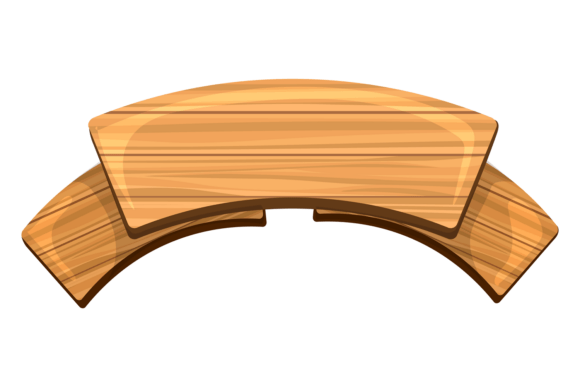
Decorative Wood Plank Frame Retro Sign
In a digital landscape saturated with sleek, minimalist interfaces and flat design trends, there is a profound psychological comfort in textures that feel tangible. This is precisely where the decorative wood plank frame retro sign finds its enduring appeal. It is not merely a graphic element; it is a visual anchor that evokes nostalgia, craftsmanship, and warmth. For designers, marketers, and content creators, understanding how to leverage this aesthetic can transform a standard communication piece into something that resonates on an emotional level.
The concept is straightforward yet versatile. Imagine a banner or signage board constructed from aged, weathered wooden planks, framed to highlight its rustic charm. When isolated on a white background, as seen in high-quality EPS, JPG, and transparent PNG formats, this asset becomes a modular building block for countless creative projects. It bridges the gap between vintage authenticity and modern digital convenience, allowing users to drop a sense of history into contemporary layouts without the hassle of organizing a physical photoshoot.
The Anatomy of Rustic Appeal
What makes a retro sign board effective? It comes down to texture and imperfection. Unlike vector shapes with perfect curves and uniform colors, a wood plank frame relies on the organic irregularities of grain, knots, and wear. These details signal authenticity to the human eye. When you integrate a decorative wood plank frame into your design, you are borrowing the credibility of natural materials.
The strength of this asset lies in its isolation. Having the sign board available as a transparent PNG means you can layer it over photographs, solid colors, or complex gradients without fighting against a bounding box. The EPS format offers scalability for large-format printing, ensuring that the wood grain remains crisp whether it is printed on a business card or a storefront window decal. This flexibility is crucial for professionals who need to maintain brand consistency across various media types.
Key Characteristics to Look For
- Texture Resolution: High-resolution JPGs should capture the细微 details of the wood grain. Blurry textures break the illusion of reality.
- Lighting Consistency: The shadows and highlights on the planks should be neutral enough to blend with your project’s lighting direction, or easily adjustable via blending modes in software like Photoshop.
- Edge Quality: A clean cut-out in the PNG version is essential. Jagged edges ruin the professional look and require tedious manual cleanup.
- Versatility of Tone: Whether the wood is bleached, dark walnut, or reclaimed barn wood, the tone should complement rather than clash with your color palette.
Practical Applications Across Industries
The utility of a decorative wood plank frame extends far beyond simple decoration. It serves functional roles in branding, education, and user experience design. Here is how different professionals can apply this asset effectively.
Branding and Marketing Campaigns
For businesses in the artisanal, food, beverage, or hospitality sectors, this retro sign acts as a immediate visual cue for quality and tradition. A craft brewery might use the wood frame to highlight seasonal beer names on social media. A boutique coffee shop could overlay their daily specials onto the plank texture for Instagram stories. The wood suggests "handcrafted" and "small-batch," values that resonate deeply with modern consumers who are often skeptical of mass-produced goods.
Moreover, using a retro sign board banner allows for dynamic text placement. You can treat the wooden surface as a canvas for typography. Serif fonts or hand-lettered scripts pair exceptionally well with the rustic background, creating a cohesive vintage aesthetic that feels intentional rather than accidental.
Educational and Informational Content
Educators and instructional designers often struggle to make dry information engaging. A wood plank frame can serve as a container for key takeaways, quotes, or definitions. By placing important text within the boundaries of the retro sign, you create a focal point that draws the eye. This is particularly effective in e-learning modules or presentation decks where breaking up text-heavy slides is necessary for retention.
The psychological association of wood with stability and nature can also reduce cognitive load. It provides a calming visual break in fast-paced digital environments, allowing the viewer to pause and absorb the information presented within the frame.
Digital Product Design and Web Elements
While web design has largely moved toward flat UI, there is a resurgence of "neo-brutalism" and textured elements in niche markets. A decorative wood plank frame can be used as a unique button style, a header background, or a testimonial container on a website. It adds depth and tactility to an otherwise flat screen experience.
For app developers targeting lifestyle, gardening, or DIY communities, integrating these textures can enhance the thematic consistency of the user interface. It creates an immersive environment that aligns with the user’s interests, thereby increasing engagement and time spent on the platform.
Maximizing Usability and Efficiency
One of the primary benefits of using pre-made assets like the retro sign board banner isolated on white background is efficiency. Creating a realistic wood texture from scratch requires advanced 3D modeling skills or extensive photo manipulation. By utilizing high-quality stock assets, freelancers and small teams can achieve professional results in a fraction of the time.
However, efficiency should not come at the cost of customization. To truly leverage these assets, consider the following workflow tips:
- Adjust Color Balance: Use hue/saturation layers to match the wood tone to your brand colors. A slight shift towards warm oranges or cool grays can make the asset feel bespoke.
- Blend Modes: Experiment with "Multiply" or "Overlay" blend modes if you want the wood texture to interact with underlying images, creating a more integrated look.
- Typography Hierarchy: Ensure your text contrasts sufficiently with the wood background. White or cream-colored text usually works best on darker woods, while dark brown or black text suits lighter, bleached planks.
- Shadow Integration: Add a subtle drop shadow to the entire frame if you are placing it on a flat background. This lifts the sign off the page, enhancing the 3D effect and making it pop.
Selecting the Right Format for Your Needs
Understanding the difference between EPS, JPG, and transparent PNG is vital for optimal implementation. If you are working on a web project or a social media graphic, the transparent PNG is your go-to. It allows for instant drag-and-drop functionality without background removal hassles. For print materials such as flyers, posters, or packaging, the EPS file ensures that your image scales infinitely without pixelation, maintaining crisp edges and detailed textures regardless of size.
The JPG format, often provided with a white background, is useful for quick mockups or when you intend to use the white space as part of the design composition. However, always check the compression quality. Low-quality JPGs can introduce artifacts that detract from the realistic appearance of the wood grain.
Final Thoughts on Visual Storytelling
Incorporating a decorative wood plank frame retro sign into your creative toolkit is about more than following a trend. It is about recognizing the power of materiality in digital spaces. By choosing assets that evoke sensory experiences, you create deeper connections with your audience. Whether you are designing a menu, a website header, or an educational slide, the right texture can elevate your message from mundane to memorable.
As you evaluate your next project, consider how the warmth and character of rustic wood can support your narrative. Use these assets not just as decorations, but as strategic tools to guide attention, establish tone, and enhance the overall user experience. With the right application, a simple wood plank frame can become the cornerstone of a compelling visual identity.