Round Stained Glass: Decorative Church Window Assets
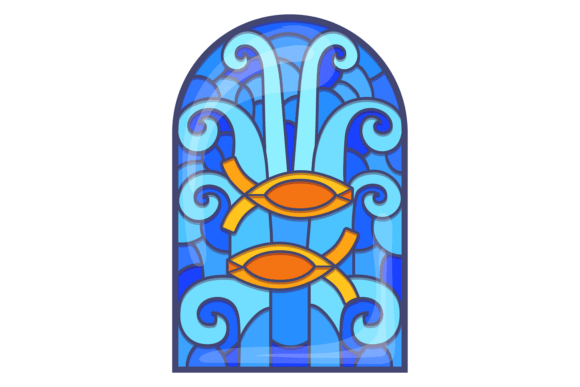
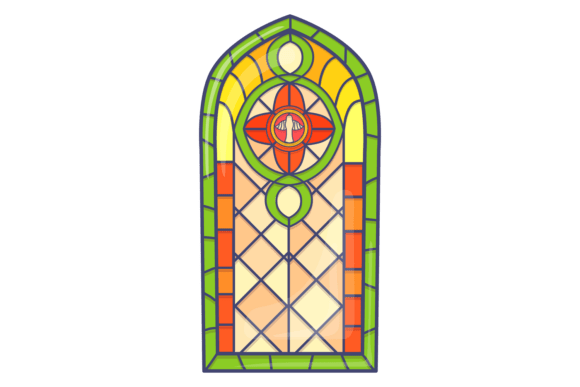
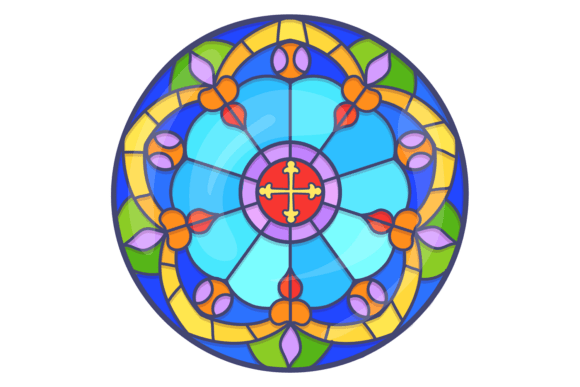
The visual language of sacred architecture has long relied on the interplay of light and color. At the heart of this tradition sits the round stained glass window, often referred to as a rose window or oculus. For modern creators, these circular motifs represent more than just historical artifacts; they are versatile design elements that bridge the gap between classical artistry and contemporary digital utility. Whether you are working with a decorative church window frame isolated on white background in EPS, JPG, SVG, or transparent PNG formats, understanding how to leverage these assets can elevate your projects significantly.
Digital assets of this nature offer a unique proposition. They provide the intricate beauty of handcrafted glass without the logistical nightmares of physical installation. This accessibility changes how different professionals and hobbyists approach design, allowing for rapid iteration and high-impact visuals across various media.
Why Format Matters: EPS, SVG, JPG, and PNG
When sourcing a decorative church window frame, the file format is not merely a technical detail; it dictates the potential of your project. Each format serves a distinct purpose, and choosing the right one depends on your end goal.
- EPS (Encapsulated PostScript): Ideal for professional printers and large-scale signage. This vector format ensures that no matter how much you enlarge the round stained glass design, the lines remain crisp and clean.
- SVG (Scalable Vector Graphics): The gold standard for web developers and UI designers. SVGs are lightweight, code-based, and responsive, making them perfect for interactive websites where the decorative element needs to scale across mobile and desktop screens without losing quality.
- JPG (Joint Photographic Experts Group): Best for quick mockups, social media posts, or presentations where transparency is not required. It is universally compatible but lacks the flexibility of vector formats.
- Transparent PNG: Essential for graphic designers who need to layer the stained glass effect over other images or backgrounds. The isolation on a white background in the source file allows for easy removal of the backdrop, letting the intricate details of the frame shine through.
Understanding these distinctions helps you avoid common pitfalls, such as pixelated edges in print materials or bulky file sizes slowing down a website.
Perspectives from Different Creators
The value of a round stained glass asset varies wildly depending on who is holding the mouse. A one-size-fits-all approach rarely works in creative industries. Here is how different audiences might evaluate and utilize these decorative frames.
The Graphic Designer and Marketer
For marketers and brand designers, speed and versatility are paramount. A decorative church window frame isolated on white background offers a plug-and-play solution for campaigns centered around heritage, luxury, or spirituality. Instead of commissioning a custom illustration, which can take weeks, a designer can download a high-quality SVG or PNG and integrate it into a layout within minutes.
Consider a boutique hotel rebranding itself as a historic sanctuary. Using a round stained glass motif in their logo or brochure borders instantly communicates elegance and timelessness. The priority here is aesthetic impact and efficiency. The ability to tweak colors in a vector format to match brand guidelines without redrawing the entire piece is a massive advantage.
The Web Developer and UI/UX Specialist
Developers care about performance and scalability. A heavy JPG file might look good but can hurt load times. An SVG version of a round stained glass pattern, however, is incredibly lightweight. It can be animated using CSS, allowing the "glass" to shimmer or change color on hover, adding an interactive layer to a static design.
For a museum’s digital archive or a virtual tour platform, these assets serve as navigational icons or section dividers. The focus is on clean code and responsiveness. The isolated nature of the file means it can be placed over dark or light modes without clashing, provided the transparency is handled correctly.
The Educator and Historian
In educational settings, accuracy and clarity are key. Teachers creating presentations on Gothic architecture or art history can use high-resolution JPGs or PNGs to highlight specific structural elements of a rose window. Because the frame is isolated, educators can annotate specific parts of the design without visual clutter from a busy background.
Furthermore, these assets can be used in student projects. Instead of struggling with complex drawing tools, students can focus on analyzing the symbolism within the stained glass patterns. The priority here is educational value and visual clarity.
The Hobbyist and DIY Enthusiast
For crafters, these digital files are often the starting point for physical projects. A hobbyist might print a decorative church window frame on sticker paper to decorate jars, create stencils for painting, or use it as a template for actual stained glass work. The availability of transparent PNGs allows them to visualize how the design will look on different surfaces before committing to materials.
The appeal for this group is accessibility and inspiration. High-quality digital assets lower the barrier to entry, allowing non-professionals to achieve polished results in their home decor or personal art projects.
Evaluating Quality and Usability
Not all digital assets are created equal. When selecting a round stained glass file, consider the following criteria to ensure it meets your needs:
- Vector Integrity: If you are buying an EPS or SVG, zoom in closely. Are the curves smooth? Are there unnecessary anchor points that could complicate editing? Clean vectors save time.
- Color Separation: In stained glass designs, distinct color zones are crucial. Check if the layers are organized logically. This makes it easier to recolor individual panes if your project requires a custom palette.
- Resolution for Raster Files: For JPGs and PNGs, ensure the resolution is at least 300 DPI if you plan to print. For web use, 72 DPI is standard, but higher resolutions allow for retina displays.
- Transparency Accuracy: Open the PNG in your software. Is the background truly transparent, or are there white halos around the edges? Clean edges are essential for professional compositing.
These technical checks prevent frustration later in the workflow. A slightly more expensive asset that is well-organized is often cheaper in the long run than a free file that requires hours of cleanup.
Practical Applications Beyond the Church
While the origin of these designs is religious, their application is secular and diverse. Entrepreneurs in the wedding industry use round stained glass motifs for invitation suites, evoking a sense of ceremony and grandeur. Interior designers incorporate these patterns into wallpaper designs or room dividers to add a touch of classical elegance to modern spaces.
Publishers might use these frames to border chapter headings in historical novels or fantasy genres. The circular shape naturally draws the eye inward, making it an excellent container for portraits, logos, or key text. The versatility of the decorative church window frame isolated on white background means it can be rotated, cropped, or combined with other elements to create entirely new compositions.
Making the Right Choice for Your Project
Ultimately, the decision to use a pre-made round stained glass asset comes down to balancing cost, time, and creative control. If you need a unique, one-of-a-kind centerpiece for a major branding campaign, custom illustration might still be the way to go. However, for most applications—from web design to educational materials to small business marketing—high-quality digital assets offer an unbeatable combination of professionalism and convenience.
By understanding the strengths of each file format and aligning them with your specific audience and goals, you can transform a simple decorative element into a powerful tool for communication. Whether you are a seasoned designer or a curious beginner, these resources open up a world of creative possibility, allowing you to harness the timeless beauty of stained glass in the digital age.