Understanding the Decorative Arrows Seamless Pattern: A Guide to Tribal and Ethnic Design Applications
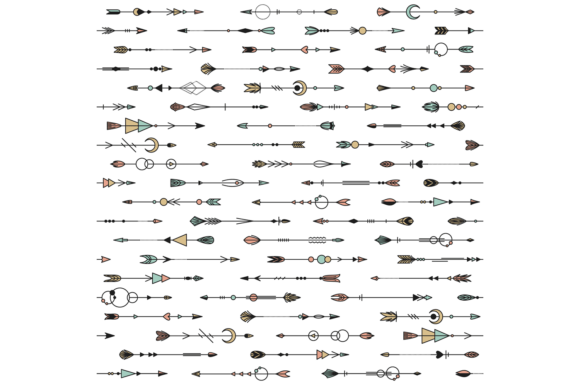
The decorative arrows seamless pattern has emerged as a versatile staple in modern graphic design, bridging the gap between traditional ethnic aesthetics and contemporary digital utility. Characterized by repeated tribal Native American elements, varied plumage, and intricate ethnic ornaments, this design style offers a unique visual language that resonates with audiences seeking authenticity and cultural depth. Whether utilized for decor textile, wrapping paper, or wallpaper, the appeal of these patterns lies in their ability to create continuous, harmonious backgrounds that are both visually engaging and functionally robust.
For designers, manufacturers, and consumers alike, understanding the nuances of this specific pattern type is essential. It is not merely about aesthetics; it is about selecting the right format—such as a tidy vector background in EPS or a high-resolution JPG—to ensure the final product meets quality standards. This article explores the distinct features of decorative arrow patterns, compares them with alternative design styles, and provides practical guidance on when and how to best utilize them.
Defining the Aesthetic: Tribal Elements and Seamless Continuity
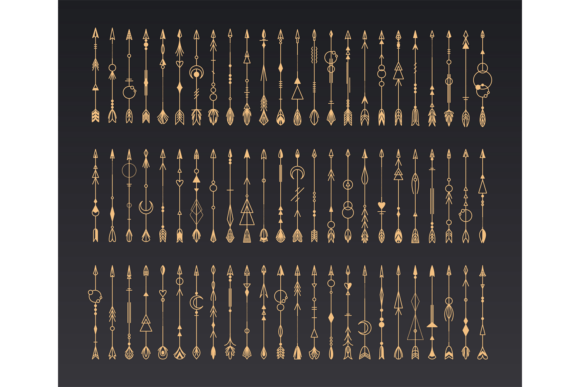
At its core, a decorative arrows seamless pattern is defined by two primary components: the motif and the structure. The motifs typically draw inspiration from indigenous art forms, specifically Native American symbolism. These include stylized arrows representing direction, protection, or movement, often accompanied by feathers (plumage) that signify honor and spiritual connection. The inclusion of ethnic ornaments, such as geometric beads, zig-zags, and tribal dots, adds layers of complexity and cultural richness.
The "seamless" aspect refers to the technical construction of the image. When tiled horizontally and vertically, the pattern repeats without visible breaks or edges. This continuity is crucial for applications like fabric printing and wallpaper, where disjointed lines would disrupt the visual flow. The combination of organic shapes (feathers) and geometric precision (arrows) creates a balanced composition that feels both handcrafted and professionally structured.
What makes this style distinct from generic geometric patterns is its narrative quality. Each element carries symbolic weight, allowing the design to convey a sense of heritage and wanderlust. This emotional resonance is a key factor in its popularity across various consumer goods, from home decor to fashion accessories.
Format Matters: Vector EPS vs. Raster JPG
When sourcing or creating a decorative arrows seamless pattern, the file format is a critical decision factor that impacts usability and final output quality. The two most common formats are EPS (Encapsulated PostScript) and JPG (Joint Photographic Experts Group), each serving different needs.
- Vector Backgrounds (EPS): Vector files use mathematical equations to define shapes, meaning they can be scaled to any size without losing clarity. For large-scale applications like wall murals, wide-format fabric prints, or high-end packaging, an EPS file is indispensable. It allows designers to adjust colors, separate layers, and modify individual elements such as plumage details or arrowheads. This flexibility makes vector formats the preferred choice for professional print production.
- Raster Images (JPG): JPG files are pixel-based. While they are smaller in file size and easier to handle for web use or small-scale digital projects, they suffer from quality degradation when enlarged. A JPG pattern may appear crisp on a smartphone screen or a small gift tag, but it will likely pixelate if printed on a large textile roll. However, for quick mockups, social media graphics, or low-budget digital wrapping paper designs, JPGs offer a convenient and accessible option.
Choosing between these formats depends largely on the intended end-use. If the goal is high-quality physical production, investing in a tidy vector background is non-negotiable. For digital-only or small-scale temporary uses, a high-resolution JPG may suffice.
Comparing Design Styles: When to Choose Arrows Over Alternatives
In the broader landscape of surface pattern design, the decorative arrows seamless pattern competes with several other popular styles, including floral, abstract geometric, and minimalist line art. Understanding the tradeoffs helps in making an informed selection.
Arrows vs. Floral Patterns: Floral designs evoke softness, romance, and nature. In contrast, arrow patterns convey direction, energy, and structure. If the project aims to create a dynamic, adventurous, or masculine-leaning aesthetic, arrows are superior. Florals may overwhelm a space with organic chaos, whereas arrows provide a rhythmic, ordered repetition that can ground a room or product design.
Arrows vs. Abstract Geometrics: Pure geometric patterns (circles, squares, triangles) are often perceived as modern and cold. The inclusion of tribal elements and plumage in arrow patterns introduces warmth and cultural texture. This makes decorative arrows a better fit for bohemian, rustic, or eclectic interiors where a touch of humanity and history is desired. However, for ultra-modern, corporate, or minimalist environments, abstract geometrics might align better with the brand identity.
Arrows vs. Solid Colors or Textures: While solids offer simplicity, they lack visual interest. Textures (like wood grain or marble) provide depth but can be busy. Arrow patterns strike a balance, offering recognizable motifs that guide the eye without overwhelming the viewer. They are particularly effective in wrapping paper, where the pattern adds festive intrigue without distracting from the gift itself.
Practical Applications and Best-Fit Scenarios
The versatility of the decorative arrows seamless pattern allows it to shine in diverse contexts. Here are some realistic examples of where this design excels:
- Decor Textile and Upholstery: Pillows, throws, and curtain fabrics benefit from the durability of the design. The repetitive nature ensures that seams in sewing do not disrupt the visual flow. Earthy tones combined with tribal arrows work exceptionally well in living rooms aiming for a cozy, lodge-like atmosphere.
- Wrapping Paper and Packaging: For retail brands, especially those selling artisanal or outdoor-related products, arrow-patterned wrapping paper reinforces brand values of adventure and craftsmanship. The seamless nature allows for efficient printing rolls with minimal waste.
- Wallpaper and Accent Walls: In interior design, a feature wall with a subtle, monochromatic arrow pattern can add depth without closing in the space. It is ideal for nurseries, home offices, or entryways where a welcoming yet structured vibe is needed.
- Digital Backgrounds and Web Design: When optimized as a lightweight JPG or SVG, these patterns serve as excellent website backgrounds for blogs, portfolios, or e-commerce sites focused on travel, lifestyle, or indigenous art.
Limitations and Considerations for Buyers
While the decorative arrows seamless pattern is highly adaptable, it is not a universal solution. There are specific scenarios where it may fall short or require careful handling.
Cultural Sensitivity: Since the design draws from Native American elements, it is crucial to approach its use with respect. Avoid caricatured or inaccurate representations of tribal symbols. Ethical sourcing and appreciation rather than appropriation should guide the selection process. Designers should verify that the elements used are respectful and accurately styled.
Visual Clutter: Highly detailed patterns with dense plumage and complex ornaments can become visually noisy if used in small spaces or on small objects. In such cases, simplifying the pattern or increasing the spacing between elements (scale adjustment) is necessary to maintain readability and aesthetic appeal.
Color Constraints: The effectiveness of tribal patterns often relies on a curated color palette. Using too many bright, clashing colors can diminish the sophisticated ethnic feel. Neutral tones, earthy reds, deep blues, and muted greens typically enhance the design’s authenticity, whereas neon or pastel variations may detract from its traditional roots unless specifically aimed at a playful, modern audience.
Making the Right Choice
Selecting the right decorative arrows seamless pattern involves evaluating the project’s scale, medium, and message. For large-scale print jobs, prioritize vector EPS files to ensure scalability and editability. For digital or small-scale uses, high-resolution JPGs offer convenience. Compare the energetic, directional vibe of arrows against softer florals or colder geometrics to ensure alignment with the desired emotional impact.
Ultimately, this pattern style offers a compelling blend of tradition and modernity. By understanding its structural requirements and aesthetic implications, users can leverage decorative arrows to create impactful, culturally rich designs that stand out in a crowded marketplace. Whether for fabric, paper, or digital screens, the key lies in matching the format and style to the specific needs of the application, ensuring both visual harmony and technical precision.