Pink Dot Seamless Pattern: Decorative Geometric Backgrounds for Modern Design
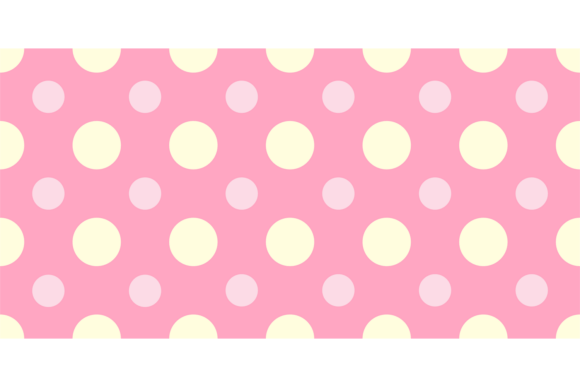
There is a specific kind of visual relief that comes from finding the right background. It isn’t just about filling empty space; it is about setting a tone without shouting for attention. This is where the Pink Dot Seamless Pattern. Decorative Ge becomes an invaluable asset for designers, content creators, and small business owners alike. At its core, this design element combines the softness of pastel or vibrant pink hues with the structural reliability of geometric precision. The result is a vector illustration that feels both playful and professional, offering a versatile foundation for a wide array of digital and print projects.
When we talk about a seamless pattern, we are referring to a tileable image that can be repeated infinitely without visible seams or breaks. Adding the "decorative geometric" aspect means the dots are not randomly scattered but arranged in a deliberate, mathematical grid or offset layout. This structure provides order, while the pink color palette injects warmth, creativity, and approachability. Whether you are working with EPS, JPG, or SVG files, understanding how to leverage this specific aesthetic can elevate your visual communication significantly.
Why Geometry and Pink Work Together
The combination of geometric shapes and pink tones might seem like a simple choice, but it carries significant psychological weight in design. Geometry suggests stability, logic, and modernity. It is clean and predictable. Pink, on the other hand, is often associated with compassion, nurturing, playfulness, and romance. When you merge these two, you create a balanced visual language. The rigid structure of the dots prevents the pink from feeling overly sentimental or childish, while the color softens the coldness that pure black-and-white geometry can sometimes project.
This balance makes the Pink Dot Seamless Pattern. Decorative Ge particularly effective for brands that want to appear friendly yet competent. It is not aggressive, nor is it passive. It sits comfortably in the middle ground, making it an excellent choice for industries that rely on trust and approachability, such as healthcare, education, lifestyle blogging, and boutique retail.
Practical Applications Across Industries
The versatility of this pattern lies in its scalability and neutrality. Because it is available in vector formats like EPS and SVG, it can be scaled to any size without losing quality. Here is how different professionals can utilize this resource in real-world scenarios.
Digital Marketing and Social Media
In the fast-paced world of social media, consistency is key. A seamless pattern provides an instant brand identifier. Imagine using the pink dot background as a subtle overlay for Instagram stories or Pinterest pins. It adds texture to flat colors, making your graphics pop without distracting from the main message. For email newsletters, a light pink geometric header created from this pattern can break up text-heavy sections, guiding the reader’s eye and improving readability. The JPG format is ideal here for quick loading times on web platforms.
Packaging and Product Design
For small business owners selling handmade goods, cosmetics, or stationery, packaging is the first physical touchpoint with a customer. A box wrapped in paper featuring a Pink Dot Seamless Pattern. Decorative Ge design feels premium and thoughtful. The geometric regularity ensures that the pattern looks intentional when printed on large sheets, while the pink hue appeals to a broad demographic. Since the file is available in high-resolution vector formats, printers can reproduce the dots with crisp edges, avoiding the blurriness that often plagues low-quality raster images.
Web and UI Design
Web designers often struggle with creating backgrounds that are interesting but do not interfere with text legibility. A muted version of this pink dot pattern serves as an excellent solution. By lowering the opacity of the pink dots against a white or light gray background, you create depth. This technique is particularly useful for landing pages, login screens, or dashboard interfaces where you want to avoid the sterility of a plain white screen. The SVG format is crucial here because it keeps the file size tiny while ensuring the dots look sharp on high-density retina displays.
Textile and Interior Decor
Beyond digital screens, this pattern translates beautifully to physical materials. Fashion designers might use it for lining jackets, creating scarves, or printing on summer dresses. The repetitive nature of the seamless tile ensures that the fabric cut does not disrupt the visual flow. In interior design, this geometric motif can be found in wallpapers, throw pillows, or rugs. The decorative aspect adds a layer of sophistication to nurseries, home offices, or creative studios, providing a backdrop that stimulates creativity without causing visual fatigue.
Choosing the Right File Format
Understanding the technical differences between the available formats—EPS, JPG, and SVG—is essential for getting the best results. Each serves a distinct purpose in your workflow.
- SVG (Scalable Vector Graphics): This is your go-to for web and app development. SVGs are code-based, meaning they are incredibly lightweight and fully scalable. If you need the pink dots to remain crisp on a massive billboard or a tiny smartwatch screen, SVG is the only choice that guarantees perfection without bloating your server storage.
- EPS (Encapsulated PostScript): This is the industry standard for professional printing. If you are sending your design to a commercial printer for business cards, brochures, or large-format banners, provide them with the EPS file. It allows the printer to manipulate the individual elements if necessary, such as changing the shade of pink to match your exact brand guidelines.
- JPG (Joint Photographic Experts Group): While not scalable, JPGs are universally compatible. Use this format for quick mockups, social media posts, or documents where vector editing is not required. Be mindful of compression artifacts; ensure you download a high-resolution JPG to keep the edges of the geometric dots sharp.
Considerations for Effective Use
While the Pink Dot Seamless Pattern. Decorative Ge is highly adaptable, there are common pitfalls to avoid. The primary consideration is contrast. If your foreground text or images are also pink or light-colored, they will disappear into the background. Always ensure there is sufficient contrast between the pattern and the content layered on top. Using a solid color block with reduced opacity over the pattern can help mitigate this issue.
Another factor is scale. A pattern that looks delicate and refined on a business card might look chaotic and busy on a website background. Test the pattern at different zoom levels. Sometimes, increasing the spacing between the dots or reducing their size can make the design feel more airy and modern. Conversely, tightening the grid can create a denser, more textured look suitable for bold statements.
Finally, consider your audience. While pink is increasingly gender-neutral in modern design, certain shades carry specific cultural connotations. A soft blush pink might evoke elegance and calm, while a hot pink geometric pattern might signal energy and youthfulness. Align the specific shade of pink in your chosen pattern with the emotional response you wish to elicit from your viewers.
By integrating this decorative geometric background into your creative toolkit, you gain a flexible resource that bridges the gap between structure and style. It is a subtle power move in design, proving that even the simplest elements, when arranged with intention, can create a profound visual impact.