Strategic Visual Positioning: Leveraging Flower in Decorative Vase Assets for Brand Growth
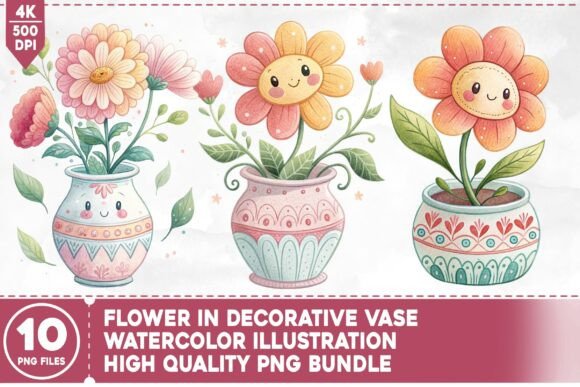
In the crowded digital marketplace, visual communication is no longer merely an aesthetic choice; it is a fundamental component of strategic positioning. For entrepreneurs, marketers, and creative professionals, the selection of imagery directly influences consumer perception, brand recall, and ultimately, conversion rates. One versatile visual asset that consistently delivers high engagement across diverse demographics is the Flower in Decorative Vase. This specific motif transcends seasonal trends, offering a timeless appeal that can be strategically deployed to enhance branding, improve customer experience, and streamline production workflows.
Understanding how to effectively integrate a Flower in Decorative Vase into your commercial projects requires more than just artistic intuition. It demands a clear understanding of your audience, your medium, and your long-term business goals. Whether you are designing sublimation prints for apparel, creating digital planners, or crafting physical greeting cards, the intentional use of high-quality floral imagery can elevate your product from generic to premium. This article explores the strategic utility of these assets, providing practical guidance on how to leverage them for maximum impact while avoiding common pitfalls.
The Strategic Value of Floral Imagery in Commercial Design
Floral imagery, particularly when presented in a structured format like a vase, carries significant psychological weight. It evokes feelings of calm, elegance, and natural beauty. For brands targeting adults aged 20–50, this imagery serves as a powerful tool for emotional connection. However, the true value lies not just in the image itself, but in its versatility and ease of integration. When you utilize a high-resolution PNG file with a transparent background, you remove the technical barriers that often slow down creative processes.
Consider the operational efficiency gained by using ready-to-print assets. Instead of spending hours photographing, editing, and isolating flowers, creators can instantly download professional-grade graphics. This allows freelancers and small business owners to focus their energy on higher-value tasks such as marketing strategy, customer engagement, and product development. The Flower in Decorative Vase becomes a building block in a larger content ecosystem, enabling rapid prototyping and faster time-to-market for new products.
Furthermore, the commercial usability of these assets opens up diverse revenue streams. You are not limited to a single product type. The same digital file can be adapted for physical goods like mugs, pillows, and canvas prints, as well as digital products like planners and invitation cards. This adaptability supports a diversified business model, reducing reliance on any single income source and enhancing overall financial stability.
Aligning Visual Assets with Brand Identity and Goals
Before incorporating a Flower in Decorative Vase into your designs, it is crucial to assess its alignment with your brand identity. Not all floral styles suit every brand. A minimalist, modern vase may complement a contemporary lifestyle brand, while an ornate, classical vase might better serve a luxury or heritage-focused enterprise. Strategic decision-making involves selecting visuals that reinforce your brand’s core values and messaging.
For educators and publishers, floral imagery can soften complex information, making learning materials more approachable and visually engaging. In corporate communications, subtle floral elements can humanize sterile environments, fostering a more welcoming atmosphere. The key is intentionality. Ask yourself: Does this image support the narrative I am trying to convey? Does it enhance the user experience or merely decorate the space? By answering these questions, you ensure that every visual element serves a purpose, contributing to clearer communication and stronger brand coherence.
Moreover, consider the context in which your audience will encounter these visuals. A Flower in Decorative Vase on a birthday invitation card creates a celebratory tone, while the same image on a thank-you card conveys gratitude and appreciation. Understanding these nuances allows you to tailor your designs to specific emotional triggers, thereby increasing the effectiveness of your communication.
Practical Applications Across Print-on-Demand and Digital Products
The versatility of high-resolution PNG files with transparent backgrounds makes them ideal for a wide range of applications. Here are several strategic ways to utilize Flower in Decorative Vase assets in your commercial ventures:
- Apparel and Accessories: Use sublimation-ready designs for t-shirts, hoodies, and backpacks. The transparent background ensures seamless integration with fabric colors, allowing for professional-quality prints that appeal to fashion-conscious consumers.
- Home Decor: Apply these graphics to pillows, plates, and canvas prints. Floral motifs are perennial favorites in interior design, offering a safe yet stylish option for customers looking to refresh their living spaces.
- Paper Goods: Incorporate the imagery into greeting cards, thank-you cards, and birthday invitations. The elegance of a vase arrangement adds a touch of sophistication, making these items suitable for both personal and corporate gifting.
- Digital Products: Enhance digital planners, scrapbooking kits, and online courses with floral accents. These elements can break up text, highlight key sections, or serve as decorative headers, improving readability and user engagement.
- Marketing Materials: Use the graphics in social media posts, email newsletters, and website banners. Consistent use of high-quality visuals strengthens brand recognition and creates a cohesive online presence.
Each of these applications requires a slightly different approach to design. For print-on-demand products, ensure that the resolution is sufficient for large-format printing to avoid pixelation. For digital products, optimize file sizes to maintain fast loading times without sacrificing quality. By tailoring your usage to the specific requirements of each medium, you maximize the professional appearance and perceived value of your offerings.
Risks of Unintentional Design and How to Mitigate Them
While the benefits of using pre-made assets are clear, there are risks associated with indiscriminate application. Using a Flower in Decorative Vase without considering context can lead to visual clutter, brand inconsistency, or misaligned messaging. For instance, placing a vibrant, chaotic floral arrangement on a minimalist tech product page may create cognitive dissonance for the viewer, undermining the brand’s authority.
To mitigate these risks, adopt a strategic framework for visual selection. Establish clear brand guidelines that define acceptable color palettes, styles, and usage contexts for floral imagery. Regularly audit your product lines and marketing materials to ensure consistency. Additionally, seek feedback from your target audience to gauge their response to different visual approaches. This data-driven method allows you to refine your strategy over time, ensuring that your visuals continue to resonate with your customers.
Another common pitfall is failing to modify the assets sufficiently. While commercial use is permitted, simply reselling the original image is prohibited. To create true value, you must incorporate the graphics into your own original designs. This could involve combining multiple elements, adding text, adjusting colors, or integrating the image into a larger composition. By adding your creative input, you transform a generic asset into a unique product that reflects your brand’s distinct voice.
Maximizing Long-Term Value Through Creative Modification
The long-term success of your visual strategy depends on your ability to evolve and adapt. Rather than relying on static images, explore ways to creatively modify your Flower in Decorative Vase assets. Experiment with different layouts, typography pairings, and color schemes to keep your designs fresh and relevant. This ongoing innovation not only prevents audience fatigue but also demonstrates your commitment to quality and creativity.
Furthermore, consider the lifecycle of your products. Seasonal trends may influence the popularity of certain floral styles. By maintaining a diverse library of assets and regularly updating your offerings, you can capitalize on emerging trends while maintaining a core collection of timeless designs. This balanced approach ensures steady sales throughout the year, reducing the volatility often associated with trend-dependent businesses.
Finally, remember that customer satisfaction is paramount. If you encounter any issues with your downloads or have questions about usage rights, proactive communication is key. Reliable support builds trust and encourages repeat business. Encourage satisfied customers to leave reviews, as social proof plays a critical role in attracting new clients. By prioritizing both product quality and customer service, you create a sustainable business model grounded in integrity and excellence.
In conclusion, the Flower in Decorative Vase is more than just a decorative element; it is a strategic tool for enhancing brand identity, improving operational efficiency, and driving commercial success. By approaching its use with intentionality, creativity, and a focus on long-term value, you can leverage this versatile asset to achieve your business goals and deliver exceptional experiences to your audience.