Vintage Decorative Door Window: A Guide to Vector Design Assets for Crafting and Architecture
The integration of historical architectural elements into modern design projects has become a significant trend in both digital art and physical crafting. At the center of this movement is the Vintage Decorative Door Window collection, a specialized set of vector graphics that captures the intricate beauty of classic ornamental structures. For designers, hobbyists, and professionals alike, understanding the utility and application of these assets is essential for determining whether they align with specific creative goals. This article explores the characteristics of these designs, their practical applications, and the considerations necessary for effective implementation.
Understanding the Asset Collection
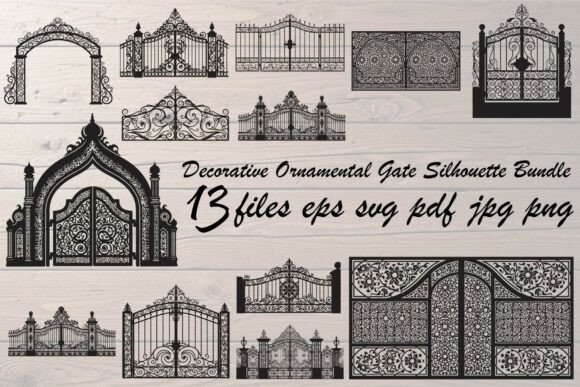
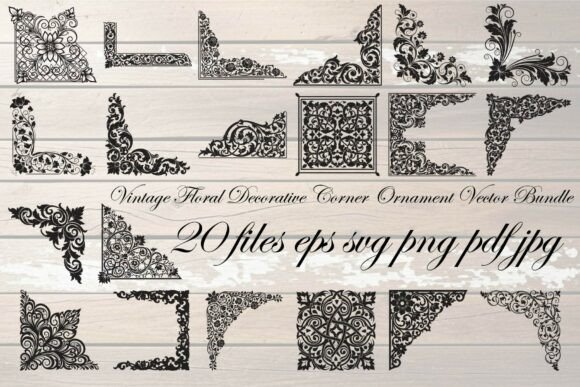
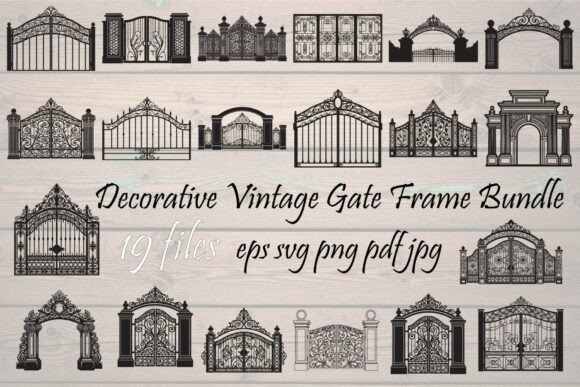
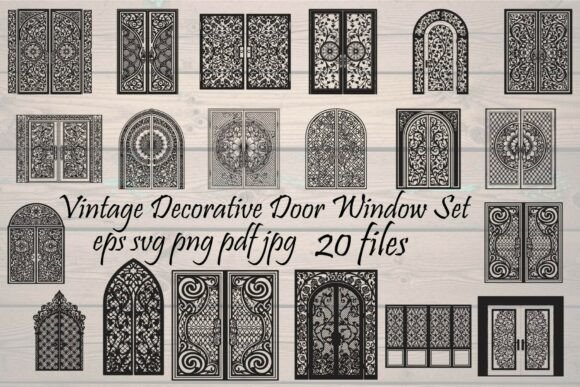
A Vintage Decorative Door Window set typically comprises detailed black vector illustrations of doors, arched window frames, decorative panels, and various ornamental architectural components. Unlike photographic images, these are clean, scalable graphics created to maintain clarity at any size. The aesthetic is defined by its adherence to classical design principles, featuring elaborate scrollwork, symmetrical patterns, and structural details reminiscent of Victorian, Gothic, or Baroque architecture.
The primary value of such a collection lies in its versatility. Because the files are provided in vector formats such as SVG and EPS, they can be resized without any loss of quality. This makes them suitable for projects ranging from small-scale scrapbooking elements to large-format wall art. The inclusion of high-resolution PNG and JPG files further extends their usability for digital layouts where editing capabilities are not required, while PDF formats offer convenience for direct printing or sharing.
Key Applications and Use Cases
Individuals interested in this type of design asset usually fall into two categories: those working with physical fabrication tools and those focused on digital or print media. Understanding which category your project falls into helps in evaluating the relevance of the Vintage Decorative Door Window files.
- Laser Cutting and Engraving: This is perhaps the most common application. The clean lines and closed paths typical of well-made vector files make them ideal for laser cutters. Crafters use these designs to create intricate wooden panels, acrylic room dividers, or decorative overlays for furniture. The precision of the vector data ensures that the cutting machine follows the ornamental curves accurately.
- Digital Crafting Machines: Users of devices like Cricut or Silhouette benefit significantly from SVG files. These formats allow for easy separation of layers, enabling users to cut different parts of the door or window design from various materials such as vinyl, cardstock, or heat-transfer material. This is particularly useful for creating custom invitations, greeting cards, or home décor decals.
- Architectural Visualization and Graphic Design: Architects and interior designers may use these elements as overlays in presentation boards or mood boards. They provide a quick way to suggest a vintage aesthetic without needing to model complex 3D structures. Similarly, graphic designers incorporate these motifs into branding materials, book covers, or website backgrounds to evoke a sense of history and elegance.
- Wall Art and Home Décor: The designs can be printed on canvas, metal, or wood to serve as standalone decorative pieces. When framed, these black-and-white vector illustrations offer a striking contrast that complements both minimalist and maximalist interior styles.
Evaluating Benefits and Tradeoffs
When considering the adoption of a Vintage Decorative Door Window pack, it is important to weigh the advantages against potential limitations. The primary benefit is efficiency. Creating intricate ornamental designs from scratch requires significant time, skill, and software proficiency. A pre-made collection allows creators to bypass the initial design phase and focus on execution and customization.
Furthermore, the compatibility with most cutting machines and design software reduces technical barriers. Whether using Adobe Illustrator, CorelDRAW, or free alternatives like Inkscape, the standard file formats ensure broad accessibility. The ability to scale vectors infinitely is another critical advantage, allowing for consistent quality across diverse project sizes.
However, there are tradeoffs to consider. Since these are pre-designed assets, they lack uniqueness unless modified. Popular designs may appear in multiple projects, potentially diluting the distinctiveness of a brand or personal creation. Additionally, while the files are "clean," some complex ornamental details may require simplification depending on the material being used. For instance, extremely fine lines in a laser-cut wooden piece might be fragile and prone to breaking. Therefore, users must evaluate the structural integrity of the design relative to their chosen medium.
Decision-Making Insights for Buyers
To determine if this collection is the right fit, consider the following factors:
- Project Scale and Material: If you are working with delicate materials like paper or vinyl, the high level of detail in these vectors is an asset. However, for thicker materials like wood or metal, assess whether the design needs simplification to ensure durability during cutting or engraving.
- Software Proficiency: While the files are ready to use, maximizing their potential often requires basic knowledge of vector editing software. Being able to adjust line weights, combine paths, or isolate specific elements will enhance the final outcome.
- Aesthetic Consistency: Ensure that the vintage style aligns with your overall design theme. These elements are distinctly classical; they may not blend seamlessly with ultra-modern or futuristic design concepts without significant adaptation.
- Licensing and Usage Rights: Always review the license agreement associated with the download. While many collections allow for personal and commercial use, restrictions may apply to mass production or resale of the digital files themselves.
When to Consider Alternatives
While a Vintage Decorative Door Window set offers considerable value, it may not be the optimal solution for every scenario. If your project requires highly specific historical accuracy, such as replicating a particular building’s facade from a specific era, custom drafting or hiring a specialist illustrator may be necessary. Pre-made sets offer general stylistic representations rather than precise architectural reproductions.
Additionally, if your workflow relies heavily on 3D modeling for rendering or manufacturing, 2D vector files will require conversion and extrusion, which can be time-consuming. In such cases, sourcing 3D models directly might be more efficient. Similarly, for users seeking a hand-drawn, organic feel, the precise geometric nature of vector graphics might appear too rigid. In these instances, watercolor textures or hand-sketched illustrations could be more appropriate alternatives.
Conclusion
The Vintage Decorative Door Window collection represents a valuable resource for creators seeking to infuse their work with classical elegance and architectural detail. By providing high-quality, scalable vector files in multiple formats, it bridges the gap between digital design and physical craftsmanship. Whether used for laser cutting, digital scrapbooking, or architectural visualization, these assets offer a balance of convenience and aesthetic appeal. Success lies in understanding the technical requirements of your chosen medium and being willing to adapt the designs to suit specific structural or stylistic needs. For those who appreciate the charm of vintage architecture but lack the time to draft intricate patterns from scratch, this type of resource provides a practical and versatile foundation for creative expression.