Understanding the Value and Versatility of Decorative Flower Frame Illustration
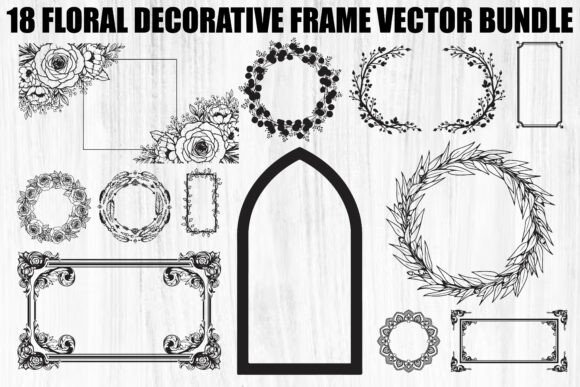
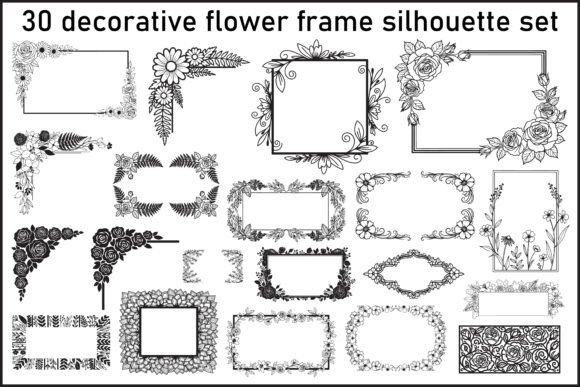
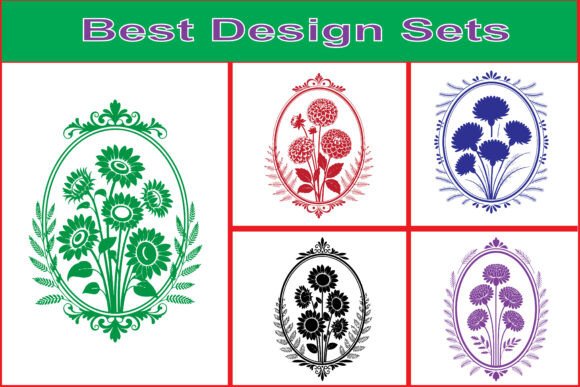
In the realm of graphic design and digital art, framing is not merely about enclosing content; it is about establishing context, mood, and visual hierarchy. A Decorative Flower Frame Illustration serves as a sophisticated bridge between organic beauty and structured layout. Unlike standard geometric borders, these illustrations integrate botanical elements—such as finely detailed flowers, leaves, and ornamental vines—into a cohesive shape, often oval or rectangular, to create a timeless aesthetic. For designers, marketers, and hobbyists alike, understanding the specific utility of these assets is crucial for making informed decisions about which resources best suit their creative projects.
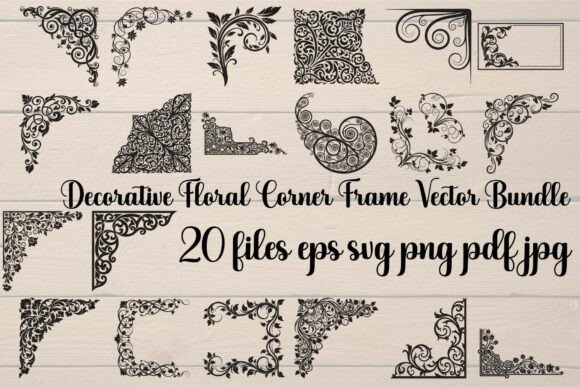
The distinct appeal of this style lies in its ability to evoke nostalgia and elegance simultaneously. Inspired by classic botanical art and traditional decorative frames, these vectors offer a level of sophistication that rigid, modern lines often lack. When evaluating design resources, it is essential to look beyond the surface image and consider the technical specifications that determine usability. A high-quality set typically includes multiple file formats, such as EPS, SVG, PNG, and JPG, ensuring compatibility with a wide range of software from Adobe Illustrator to CorelDRAW. This versatility is not just a convenience; it is a fundamental requirement for professional workflows where scalability and editability are non-negotiable.
Comparing Vector Formats and Raster Alternatives
When selecting a floral frame, one of the first decisions involves choosing between vector and raster formats. A Decorative Flower Frame Illustration provided in vector formats like EPS 07 and SVG 07 offers significant advantages over static images. Vectors are mathematically based, meaning they can be scaled infinitely without any loss of quality. This is particularly important for large-format printing, such as wedding backdrops or wall art, where pixelation would ruin the intricate details of the botanical elements.
In contrast, raster formats like JPG 07 and PNG 07 are pixel-based. While they are suitable for web use or quick previews, they have fixed resolutions. If you attempt to enlarge a JPG beyond its original dimensions, the image becomes blurry. However, raster files remain useful for immediate drag-and-drop applications in word processors or social media posts where editing capabilities are not required. The ideal resource provides both: vectors for customization and high-resolution rasters for immediate deployment. This dual approach ensures that whether you are designing a small business card or a large poster, the floral integrity remains crisp and clear.
Evaluating Design Styles: Vintage vs. Modern Minimalism
The aesthetic choice between vintage-inspired frames and modern minimalist designs depends heavily on the intended audience and brand identity. The vintage oval floral frame style discussed here leans into tradition, featuring balanced compositions of ornate borders and classic botanical motifs. This style is particularly effective for industries that value heritage, trust, and elegance, such as wedding planning, boutique skincare, or artisanal food packaging.
Conversely, modern minimalist frames often utilize sparse line work and abstract shapes. While these are trendy and clean, they may lack the emotional warmth and decorative richness that a detailed floral illustration provides. When comparing options, consider the "visual weight" of the frame. A heavy, detailed floral frame commands attention and can serve as the focal point of a design, whereas a minimal frame recedes into the background. For projects like greeting cards or book covers where the artwork needs to convey a specific mood—romantic, serene, or celebratory—the detailed nature of a vintage floral frame often proves more impactful than its minimalist counterparts.
Practical Applications and Use Cases
Understanding where to apply these illustrations helps maximize their value. The versatility of a well-curated Decorative Flower Frame Illustration allows it to transcend single-use scenarios. Here are several practical applications where these assets excel:
- Wedding Invitations and Stationery: The elegant oval composition creates a natural space for text, guiding the reader’s eye to the essential details while adding a touch of romance.
- Branding and Logos: For businesses in the beauty, wellness, or lifestyle sectors, a floral frame can encapsulate a logo, softening the corporate image and making it more approachable.
- Packaging Design: On product labels, especially for handmade or organic goods, these frames signal quality and care, distinguishing the product on crowded shelves.
- Digital Content: With the inclusion of PNG files with transparent backgrounds, these frames can be easily overlaid on social media graphics, blog headers, or digital invitations without complex editing.
- Home Décor and Wall Art: Because vector files are fully scalable, they can be printed at large sizes for framed art, canvas prints, or even vinyl decals for interior design projects.
Each of these use cases benefits from the editable nature of the files. Being able to recolor the flowers to match a specific brand palette or removing certain leaves to simplify the composition allows for a customized look that pre-made templates cannot always offer.
Technical Considerations and Software Compatibility
Before purchasing or downloading any design asset, verifying software compatibility is a critical step. A robust Decorative Flower Frame Illustration set should be compatible with industry-standard tools. EPS files are universally supported by professional vector software like Adobe Illustrator and CorelDRAW, making them the gold standard for print professionals. SVG files, on the other hand, are increasingly important for web developers and users of newer design platforms like Canva or Figma, as they are lightweight and code-friendly.
It is also important to check the versioning of the files. For instance, EPS 07 and SVG 07 indicate compatibility with older software versions, ensuring that users with legacy systems are not excluded. This backward compatibility is a sign of a thoughtfully prepared resource. Additionally, the presence of black-and-white versions alongside color variations provides a solid foundation for customization. Starting with a monochrome base allows designers to apply their own color theories without fighting against pre-existing hues, offering greater creative freedom.
Making the Right Choice for Your Project
Deciding whether a vintage floral frame is the right choice requires balancing aesthetic goals with technical needs. If your project demands high-end print quality and extensive customization, prioritizing a set with editable vector files is essential. Look for features such as fully scalable paths, organized layers, and clean anchor points. These technical details may seem minor, but they significantly reduce the time spent cleaning up files after purchase.
However, if your needs are limited to quick digital posts or internal documents, a simpler raster-only option might suffice, though it lacks long-term flexibility. The trade-off is always between ease of immediate use and potential for future adaptation. A comprehensive zip file containing EPS, SVG, PNG, and JPG formats offers the best of both worlds, catering to both immediate needs and future-proofing your design library.
Ultimately, a Decorative Flower Frame Illustration is more than just a border; it is a design tool that enhances communication through visual elegance. By choosing high-quality, versatile assets, you ensure that your creative projects maintain a professional polish, regardless of the medium. Whether you are a seasoned designer looking for efficient resources or a small business owner aiming to elevate your brand imagery, understanding the nuances of these illustrations empowers you to make choices that align with both your artistic vision and practical requirements.