The Exotic Butterfly: Understanding the Beauty and Utility of Decorative Summer Insect Icons
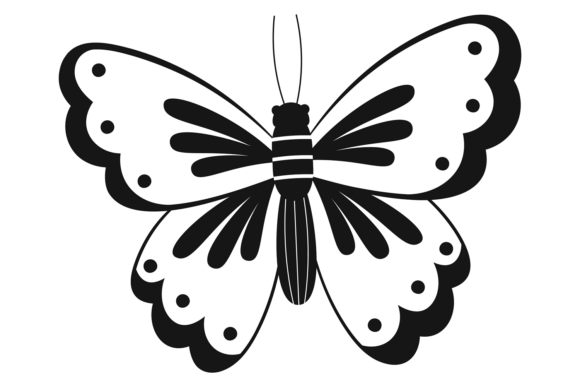
When we think of summer, images of bright sunshine, blooming gardens, and vibrant wildlife often come to mind. Among these natural treasures, the exotic butterfly stands out as a universal symbol of transformation, beauty, and fleeting elegance. However, in the modern digital landscape, the butterfly has transcended its biological roots to become a powerful graphic element. Specifically, the decorative summer insect color icon has become a staple in design portfolios, marketing materials, and educational resources.
This article explores the dual nature of the exotic butterfly: first, as a fascinating creature of nature, and second, as a versatile digital asset available in formats like EPS, JPG, SVG, and transparent PNG. Whether you are a graphic designer, a teacher, or simply someone who appreciates the aesthetics of summer, understanding how to utilize these decorative icons can enhance your creative projects significantly.
Why the Butterfly Captivates Us
Butterflies have long held a special place in human culture. Their life cycle, from caterpillar to chrysalis to winged adult, serves as a profound metaphor for growth and change. In the context of summer symbolism, they represent the peak of vitality and color. An exotic butterfly, with its unusual patterns and vivid hues, amplifies this effect. It draws the eye and evokes a sense of wonder.
In design and communication, leveraging this emotional connection is key. When you use a butterfly icon, you are not just adding a pretty picture; you are invoking feelings of lightness, freedom, and natural beauty. This is why you see them everywhere—from wedding invitations to eco-friendly product packaging. The decorative summer insect is more than an illustration; it is a visual shorthand for positivity.
The Role of Digital Icons in Modern Design
In today’s fast-paced digital world, clarity and speed are essential. Icons serve as visual anchors that help users process information quickly. A well-designed butterfly icon can communicate concepts such as "nature," "spring/summer," "transformation," or "fragility" without using a single word. This makes them invaluable for:
- Web Design: Enhancing user interfaces with thematic elements.
- Marketing Campaigns: Adding seasonal flair to social media posts and emails.
- Educational Materials: Illustrating biology lessons or environmental awareness programs.
- Branding: Creating a soft, approachable identity for businesses focused on wellness or sustainability.
The term isolated on white background is crucial here. It means the image has been carefully edited to remove any distracting surroundings, allowing designers to place the icon seamlessly into any layout. This versatility is what makes stock assets so popular among professionals and amateurs alike.
Understanding File Formats: EPS, JPG, SVG, and PNG
To make the most of an exotic butterfly icon, it is important to understand the technical specifications of the files you are downloading. Each format serves a different purpose, and choosing the wrong one can lead to pixelation or editing difficulties.
- EPS (Encapsulated PostScript): This is a vector format. It is ideal for professional printing because it can be scaled to any size without losing quality. If you are designing a large banner or a business card, EPS is your best choice.
- JPG (Joint Photographic Experts Group): This is a raster format, meaning it is made of pixels. JPGs are great for web use where file size matters, but they do not support transparency. You will see a white box around the butterfly if you try to place it on a colored background.
- SVG (Scalable Vector Graphics): Like EPS, SVG is vector-based, but it is optimized for the web. It loads quickly and remains crisp on high-resolution screens, making it perfect for websites and mobile apps.
- Transparent PNG (Portable Network Graphics): This is perhaps the most user-friendly format for general users. It supports transparency, meaning the background is invisible. You can drag and drop a transparent PNG butterfly onto any photo or document, and it will blend in naturally.
Having access to all four formats ensures that you are prepared for any project, whether it is a digital blog post or a printed brochure.
Practical Applications for Creative Projects
How can you integrate these decorative elements into your work? Here are several practical examples that highlight the utility of the exotic butterfly icon.
Seasonal Marketing: Retailers often refresh their visual identity with the changing seasons. Using a bright, colorful butterfly icon in your summer sale emails can increase open rates by creating a festive, inviting atmosphere. The psychological association with warmth and joy can subtly influence consumer behavior.
Educational Engagement: Teachers can use these icons to create engaging worksheets about metamorphosis or biodiversity. Because the icons are isolated and clear, they are easy for children to identify and color. Furthermore, using high-quality SVGs ensures that when these materials are printed, the lines remain sharp and legible.
Personal Creativity: For hobbyists involved in scrapbooking or digital journaling, these icons add a professional touch. Instead of struggling to draw a symmetrical butterfly, you can insert a pre-made decorative icon and customize its colors to match your theme. This saves time while maintaining a high aesthetic standard.
Common Misconceptions About Stock Imagery
There is a lingering assumption that using stock icons or clip art results in generic or low-quality design. This is a misunderstanding. The key lies in how you use the assets. A generic icon becomes unique when combined with thoughtful typography, color palettes, and layout strategies.
Moreover, modern stock libraries offer highly detailed, hand-drawn, and stylized options that far exceed the cheesy clip art of the past. An exotic butterfly icon today might feature intricate watercolor textures or minimalist line art, offering a sophisticated look that enhances rather than detracts from your brand.
Choosing the Right Icon for Your Needs
With thousands of options available, selecting the right butterfly icon can feel overwhelming. Here are a few tips to guide your selection:
- Match the Style: Ensure the icon’s artistic style matches your overall design. A realistic photographic butterfly may clash with a flat, minimalist website design.
- Consider Color Psychology: Blue butterflies often evoke calmness and trust, while orange and yellow ones suggest energy and happiness. Choose colors that align with your message.
- Check Licensing: Always verify the usage rights. Some icons are free for personal use only, while others require a commercial license for business projects.
- Prioritize Quality: Look for high-resolution files. Even if you are only using the image on screen, starting with a high-quality source ensures flexibility for future use.
Conclusion
The exotic butterfly is more than just a decorative summer insect; it is a versatile tool for communication and creativity. By understanding the significance of these creatures and the technical aspects of their digital representations—such as EPS, JPG, SVG, and transparent PNG formats—you can elevate your design projects. Whether you are aiming to educate, sell, or inspire, incorporating these beautiful icons can add a touch of natural elegance to your work.
As we continue to blend our appreciation for nature with digital innovation, the humble butterfly icon remains a timeless choice. It reminds us of the beauty of transformation and the joy of summer, all while serving a practical function in our visual language. So, the next time you are looking for that perfect finishing touch, consider the power of the exotic butterfly.