Enhancing Visual Identity with Retro Style Decorative Corner Frames
In the realm of graphic design and visual communication, the details often speak louder than the broad strokes. While modern minimalism has dominated the digital landscape for over a decade, there is a persistent and growing appreciation for ornate, classical aesthetics. This shift has brought vintage-inspired elements back into the spotlight, particularly among creators who value craftsmanship and historical elegance. At the heart of this trend lies the Retro Style Decorative Corner Frame, a versatile design asset that bridges the gap between traditional artistry and contemporary digital utility.
These decorative elements are not merely embellishments; they serve as structural anchors for visual content. By framing text, images, or logos with elegant scrollwork, designers can instantly convey a sense of prestige, nostalgia, and quality. Whether used in wedding invitations, corporate certificates, or artisanal branding, these corner ornaments provide a sophisticated boundary that guides the viewer’s eye while adding significant aesthetic value. Understanding how to effectively integrate these assets requires a look at their technical composition, practical applications, and the specific benefits they offer to various creative workflows.
The Technical Foundation of Vector Ornamentation
To fully leverage the potential of a Retro Style Decorative Corner Frame, one must understand the underlying file formats that make them so adaptable. High-quality design assets are typically delivered in vector formats, such as EPS (Encapsulated PostScript). Unlike raster images like JPEGs or PNGs, which are made of pixels and can become pixelated when enlarged, vector graphics are defined by mathematical paths. This means that a corner frame can be scaled from the size of a business card to a large-format banner without any loss in clarity or sharpness.
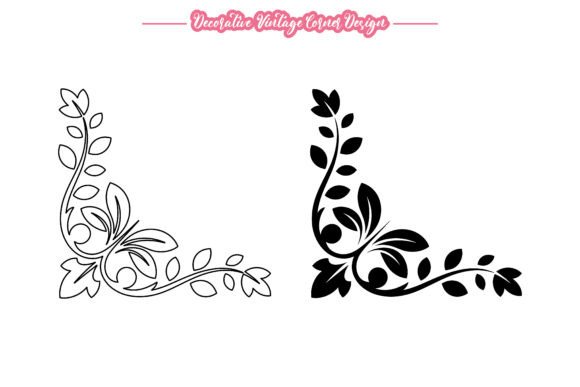
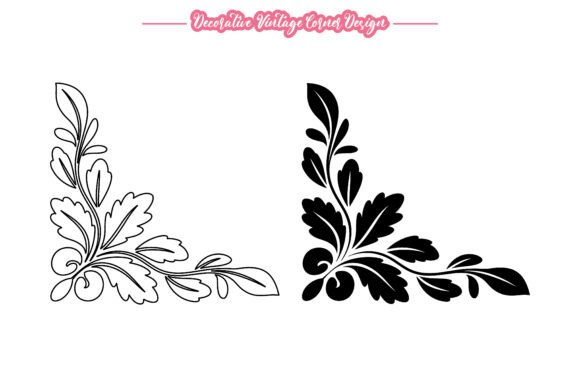
The package described includes both an EPS file and a high-resolution JPG file. The EPS file is the powerhouse for professional designers using software like Adobe Illustrator, CorelDRAW, or Affinity Designer. It allows for complete manipulation of the design. For instance, the solid and outline styles mentioned in the product description are not static; they are editable components. A designer can change the stroke weight, adjust the curvature of the scrollwork, or modify the color palette to match specific brand guidelines. With 100 vector shapes included in the collection, the possibilities for customization are vast. The RGB color mode ensures that these designs look vibrant on screens, while the 300 DPI resolution of the accompanying JPG files guarantees crisp printing results for physical materials.
Applications Across Industries and Projects
The versatility of retro corner frames makes them applicable across a wide spectrum of industries. Their ability to evoke a sense of tradition and elegance makes them particularly valuable in sectors where trust and heritage are paramount.
Certificates and Formal Documentation
One of the most traditional uses for ornate corner frames is in the creation of certificates, diplomas, and awards. In these contexts, the frame serves a symbolic purpose, denoting importance and official recognition. A Retro Style Decorative Corner Frame adds a layer of gravitas that plain borders cannot achieve. The intricate scrollwork suggests attention to detail and care, reinforcing the value of the document itself. Educational institutions, professional certification bodies, and corporate HR departments frequently utilize such designs to enhance the perceived value of their credentials.
Wedding Invitations and Event Stationery
The wedding industry thrives on aesthetics, and vintage themes remain perennially popular. Couples often seek designs that reflect romance, timelessness, and elegance. Decorative corners are ideal for framing the names of the couple, the date, and venue details on invitation suites. The ability to edit colors is crucial here, as it allows the design to align perfectly with the wedding’s color palette. Whether the theme is rustic chic, Victorian grandeur, or Art Deco glamour, the adjustable nature of vector shapes ensures the ornament complements the overall design language rather than clashing with it.
Branding and Logo Design
For businesses aiming to project an image of established reliability or artisanal quality, retro elements are powerful tools. Bakeries, boutique hotels, law firms, and craft breweries often incorporate vintage motifs into their branding. A corner frame can be used to enclose a logo, creating a badge-like effect that works well on packaging, signage, and social media profiles. The "premium quality design" aspect of these vectors ensures that the brand identity remains consistent and professional across all touchpoints, from small product labels to large storefront signs.
Empowering DIY Creators and Hobbyists
While professional designers benefit from the editable nature of EPS files, hobbyists and DIY enthusiasts find immense value in the accessibility of these assets. The inclusion of a high-resolution JPG file means that users without advanced vector software can still incorporate these beautiful designs into their projects. Platforms like Canva, Microsoft Word, or basic photo editors can utilize the JPG files for scrapbooking, home decor prints, and personal greeting cards.
Scrapbooking, in particular, has seen a resurgence as people seek tangible ways to preserve memories. Adding a Retro Style Decorative Corner Frame to a digital layout before printing can transform a simple photo album into a cherished heirloom. The ease of use—simply downloading the ZIP file and extracting the contents—lowers the barrier to entry for non-designers. This democratization of high-quality design resources allows individuals to produce professional-looking materials for personal milestones, such as anniversaries, birthdays, and family reunions.
Design Considerations and Best Practices
While decorative corners are visually striking, their effective use requires a balanced approach. Overuse of ornate elements can lead to visual clutter, distracting from the core message or content. Here are some considerations for integrating these frames successfully:
- Hierarchy and Focus: Use the corner frames to direct attention to the most important information. Ensure that the text inside the frame is legible and has sufficient contrast against the background.
- Style Consistency: Match the intricacy of the scrollwork with the rest of the design. If the typography is bold and modern, a highly detailed vintage frame might create a disjointed look. Conversely, pairing script fonts with elegant corners creates a harmonious classic aesthetic.
- Color Harmony: Take advantage of the editable color features. Instead of using default black or gold, sample colors from other elements in your design to create a cohesive palette. Subtle tones can make the frame feel integrated rather than imposed.
- White Space: Allow breathing room around the decorative elements. Crowding the corners with too much additional graphics can diminish their impact. Let the scrollwork stand out by keeping the surrounding area clean.
The Enduring Appeal of Vintage Aesthetics
The continued relevance of the Retro Style Decorative Corner Frame speaks to a broader cultural appreciation for craftsmanship and history. In an era of rapid digital consumption, designs that evoke a slower, more deliberate pace resonate with audiences. These elements remind viewers of hand-drawn artistry and printed ephemera from past centuries, creating an emotional connection that sterile, modern designs often lack.
Furthermore, the adaptability of these vector assets ensures they remain useful regardless of changing trends. Because they are fundamentally geometric and scalable, they can be reinterpreted for new contexts. A frame designed for a Victorian-style invitation can be recolored and simplified for a modern tech startup’s award ceremony, demonstrating the timeless flexibility of well-crafted design resources.
For educators and researchers, these assets can also serve as teaching tools. Demonstrating the difference between vector and raster graphics using these files provides a practical, hands-on lesson in digital design principles. Students can experiment with modifying paths and colors, gaining valuable skills in software like Adobe Illustrator while creating visually appealing projects.
Conclusion: Investing in Quality Design Resources
Choosing the right design assets is a critical step in any creative project. A Retro Style Decorative Corner Frame offers more than just decoration; it provides a foundation for elegance, professionalism, and visual storytelling. By understanding the technical advantages of vector files, recognizing the diverse applications across industries, and applying best practices for integration, creators can maximize the impact of these beautiful ornaments.
Whether you are a seasoned graphic designer looking to expand your toolkit, a small business owner crafting your brand identity, or a hobbyist preserving family memories, these decorative corners offer a blend of functionality and beauty. The ability to customize, scale, and apply these designs across various media ensures that they remain a valuable resource for years to come. As visual communication continues to evolve, the timeless appeal of retro elegance will undoubtedly remain a staple in the designer’s arsenal, proving that sometimes, the old ways are indeed the best ways.