Decorative Frame and Decorative Banner Bord: Elevating Visual Design with Retro Flair
In the fast-paced world of digital content and print media, first impressions are often formed within milliseconds. This is where the strategic use of a Decorative Frame or a Decorative Banner Bord becomes more than just an aesthetic choice—it becomes a functional tool for communication. Whether you are designing a social media post, creating a vintage-inspired wedding invitation, or laying out a promotional flyer, these elements serve as visual anchors that guide the viewer’s eye and establish tone.
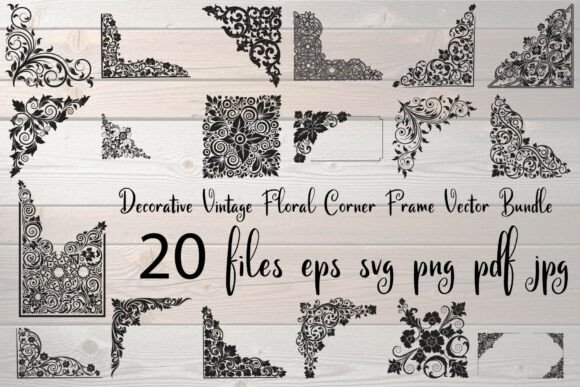
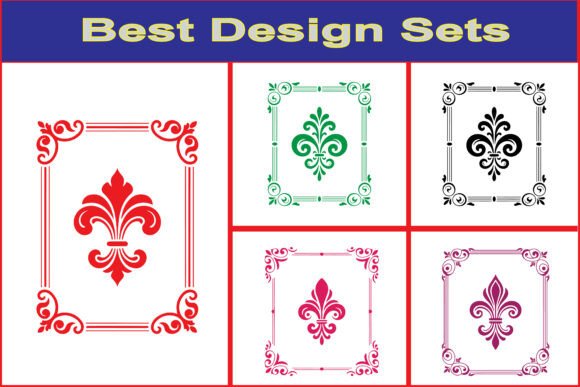
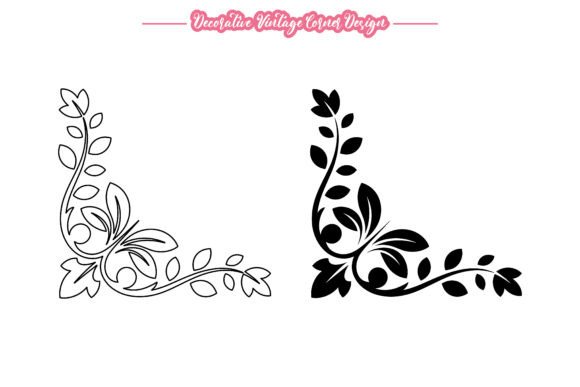
The specific appeal of a retro-style decorative banner border, particularly one isolated on a white background, lies in its versatility. When available in multiple formats such as EPS, JPG, SVG, and transparent PNG, these assets transform from simple clip art into professional-grade design components. Understanding how to leverage these files can significantly enhance the quality of your creative output, regardless of your industry or skill level.
Bridging Nostalgia and Modern Marketing
Retro design has seen a massive resurgence in recent years. Consumers are drawn to the warmth, authenticity, and craftsmanship associated with mid-century and vintage aesthetics. A Decorative Banner Bord in retro style taps directly into this emotional connection. It evokes a sense of nostalgia, suggesting reliability and timeless quality.
For small business owners, especially those in artisanal sectors like bakeries, craft breweries, or boutique clothing stores, using these borders can help differentiate their brand from sleek, minimalist competitors. Imagine a local coffee shop promoting their new seasonal blend. Instead of a standard text overlay, they use a ornate, retro-styled banner border to frame the announcement. The result is not just an ad; it feels like a curated piece of history, inviting customers to step back in time while enjoying their coffee.
This approach works because it adds texture and depth to flat digital screens. In an era where much of our consumption happens on smooth glass surfaces, the intricate details of a decorative frame provide a tactile visual experience that stands out in a crowded feed.
Practical Applications Across Industries
The utility of a high-quality decorative frame extends far beyond simple decoration. Different professionals utilize these assets to solve specific design challenges:
- Event Planners and Coordinators: For weddings, galas, or themed parties, the invitation sets the stage. A retro banner border can define the theme instantly—whether it’s a 1920s Gatsby affair or a 1970s disco night. Using SVG files allows planners to scale these borders to any size without losing clarity, ensuring that large-format prints look just as crisp as digital save-the-dates.
- Educators and Content Creators: Teachers creating worksheets or online course materials often struggle with engagement. Adding a decorative frame around key concepts or quotes can break up monotony and highlight important information. The transparent PNG format is particularly useful here, allowing educators to layer the border over colorful backgrounds or images without unsightly white boxes interfering with the layout.
- Digital Marketers: In email marketing, click-through rates can be improved by drawing attention to call-to-action buttons. A subtle decorative banner bord placed behind a "Shop Now" or "Learn More" button can increase visibility without being aggressive. It creates a focal point that guides the user’s journey through the email.
The Importance of File Formats: EPS, JPG, SVG, and PNG
When sourcing a Decorative Frame, the file format is just as critical as the design itself. Many beginners overlook this, leading to pixelated prints or uneditable graphics. Understanding the strengths of each format ensures you get the most out of your asset.
SVG (Scalable Vector Graphics) is the gold standard for web design and responsive layouts. Because it is vector-based, it remains sharp at any size. If you are building a website header or a logo that needs to look good on both a smartphone and a 4K monitor, SVG is your best friend. It also allows for code-based color changes, meaning you can match the border to your brand colors dynamically.
EPS (Encapsulated PostScript) is essential for professional printing. If you are sending your design to a commercial printer for brochures, posters, or packaging, EPS files ensure that the curves of your retro banner remain smooth and precise. Unlike raster images, vectors do not rely on pixels, so there is no risk of blurriness when scaled up for large banners.
Transparent PNG offers immediate usability for non-designers. If you are using tools like Canva, PowerPoint, or basic photo editors, a PNG with a transparent background allows you to drop the decorative frame directly onto your project. You don’t need to worry about removing white backgrounds or dealing with complex layers. It is plug-and-play simplicity.
JPG files are best suited for quick previews or situations where file size is a major concern and transparency is not needed. While less flexible than the other formats, they are universally compatible and easy to share via email or social media platforms that do not support vector files.
Design Considerations and Best Practices
While a Decorative Banner Bord can elevate a design, it can also clutter it if used incorrectly. The key is balance. A retro style often features intricate details, flourishes, and bold lines. If your central content is already text-heavy or visually complex, adding a heavy border can overwhelm the viewer.
Consider the hierarchy of information. The frame should support the message, not compete with it. Use negative space effectively. If the border is thick and ornate, keep the interior content minimal and clean. Conversely, if you have a lot of text, choose a simpler, thinner frame to maintain readability.
Color coordination is another vital factor. Retro styles often come with specific palettes—mustard yellows, teal blues, or burnt oranges. Ensure that the colors of your decorative frame complement your brand identity. If your brand is strictly monochrome, look for frames that can be easily recolored via SVG or EPS files to match your grayscale aesthetic.
Enhancing User Experience Through Visual Structure
Beyond aesthetics, decorative frames serve a cognitive function. They create boundaries that help users process information. In web design, this is known as "chunking." By enclosing related content within a decorative border, you signal to the brain that these elements belong together. This is particularly effective for testimonials, special offers, or featured products.
For example, an e-commerce site showcasing a limited-time sale might use a retro banner border to isolate the discount code. This visual separation makes the code easier to find and remember, reducing friction in the purchasing process. It turns a passive browsing experience into an active interaction.
Moreover, consistent use of a specific style of Decorative Frame across all marketing materials builds brand recognition. Over time, customers begin to associate that particular retro flair with your company’s values and personality. It becomes a visual shorthand for your brand promise.
Making the Right Choice for Your Project
Before downloading or purchasing a decorative banner border, ask yourself what problem you are trying to solve. Are you trying to add elegance? Create urgency? Evoke nostalgia? The answer will guide your selection. Look for assets that offer multiple formats to ensure you are prepared for any medium, from Instagram stories to billboard prints.
Remember, the best design elements are those that go unnoticed because they feel so natural. A well-chosen retro frame should feel like an integral part of the composition, not an afterthought. By paying attention to file types, scale, and context, you can transform simple borders into powerful tools for communication and engagement.