Unlocking the Power of Vintage Corner Border Decorative Vectors in Modern Design
In the ever-evolving landscape of graphic design, trends often cycle back to celebrate the craftsmanship of the past. One such timeless element is the vintage corner border decorative vector. These intricate designs, characterized by elegant scrollwork and classical flourishes, have transcended their historical origins to become essential tools for contemporary creators. Whether you are a professional graphic designer, a small business owner crafting brand materials, or a hobbyist engaged in DIY crafts, understanding how to utilize these assets can significantly elevate the visual appeal of your projects.
This article explores the significance of vintage corner ornaments, their practical applications, and why high-quality vector files are indispensable for modern creative work. By demystifying the technical aspects and highlighting the aesthetic value, we aim to provide a comprehensive guide for anyone looking to incorporate classic elegance into their digital or print media.
The Aesthetic Appeal of Classical Scrollwork
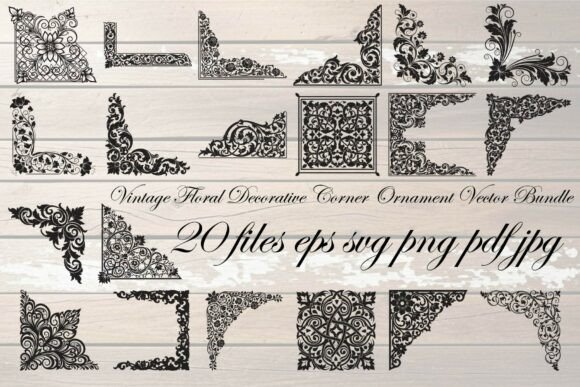
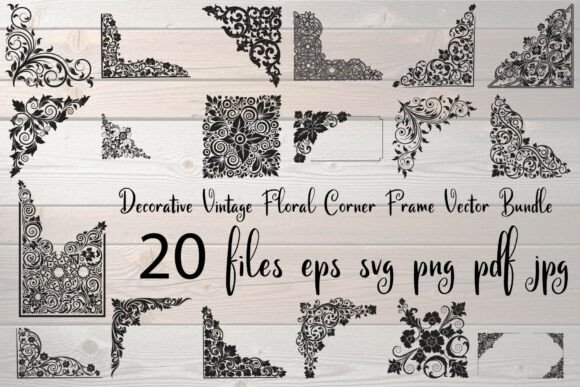
Vintage corner borders are more than just decorative fillers; they are statements of sophistication. Rooted in historical art movements such as Baroque, Rococo, and Victorian design, these elements feature complex curves, leaf-like motifs, and symmetrical patterns. The beauty of a vintage corner border decorative vector lies in its ability to frame content, drawing the viewer’s eye inward while adding a layer of refined detail to the overall composition.
Unlike modern minimalist designs that rely on negative space, vintage ornaments embrace complexity. They offer a sense of heritage and trustworthiness, which is why they remain popular in industries that value tradition, such as law, education, luxury hospitality, and artisanal goods. When used correctly, these borders do not clutter the design but rather enhance it, providing a structured yet ornate boundary that complements typography and imagery.
Solid vs. Outline Styles: Choosing the Right Look
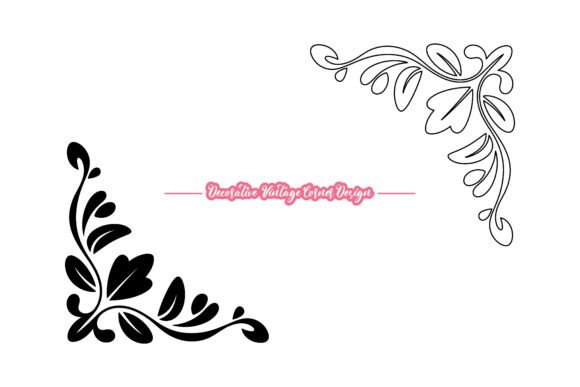
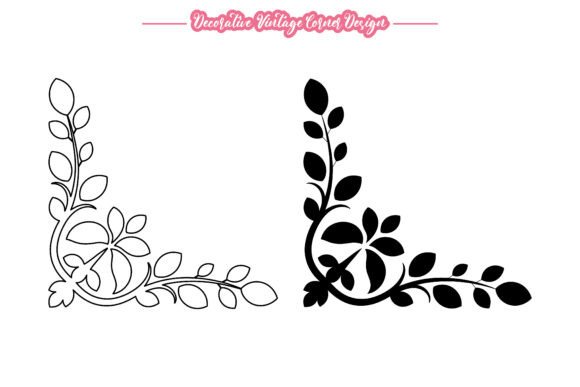
When selecting a vintage corner ornament, you will often encounter two primary styles: solid and outline. Understanding the difference between these two is crucial for achieving the desired visual effect.
- Solid Style: This version features filled shapes, creating a bold and prominent presence. It is ideal for designs where the border needs to stand out against a light background or when you want to create a strong visual anchor.
- Outline Style: Also known as stroke-only, this style uses lines to define the shape without filling it in. It offers a lighter, more delicate appearance, making it perfect for overlaying on textured backgrounds or photographs where a heavy solid shape might obscure important details.
Having access to both styles within a single package provides versatility. For instance, you might use the solid version for a printed certificate to ensure clarity and impact, while opting for the outline version for a wedding invitation overlay to maintain a airy, romantic feel.
Practical Applications in Professional and Personal Projects
The utility of vintage corner borders extends far beyond simple decoration. Their adaptability makes them suitable for a wide range of applications across various mediums. Here are some of the most common and effective ways to integrate these elements into your work:
- Branding and Logos: For businesses aiming to project an image of legacy and quality, incorporating a vintage corner into a logo or brand mark can be highly effective. It suggests attention to detail and a respect for tradition.
- Invitations and Stationery: Weddings, galas, and formal events often require stationery that exudes elegance. Vintage corners frame the text beautifully, guiding the reader’s eye to the essential information while adding a touch of grandeur.
- Certificates and Awards: Official documents benefit from the authoritative look of classical borders. They lend credibility and formality to diplomas, awards, and recognition letters.
- Scrapbooking and DIY Crafts: In the realm of personal creativity, these vectors can be printed and cut out for physical scrapbooks, greeting cards, or home decor projects. The intricate details add a handmade, premium feel to personal keepsakes.
- Digital Content and Social Media: Even in digital formats, these borders can frame quotes, announcements, or product highlights, helping posts stand out in crowded social media feeds.
Why Vector Format Matters for Design Flexibility
One of the most critical aspects of purchasing or downloading decorative elements is ensuring they are provided in the correct file format. For professional and scalable design work, vector files are superior to raster images (such as standard JPEGs or PNGs). A high-quality package, such as one containing an EPS file, offers distinct advantages that are essential for serious designers.
Scalability Without Quality Loss
Vector graphics are based on mathematical equations rather than pixels. This means you can resize a vintage corner border from the size of a business card to the size of a billboard without any loss of resolution or clarity. There is no pixelation, blurring, or jagged edges, ensuring your design remains crisp at any scale.
Editability and Customization
Perhaps the most significant benefit of an EPS file is its editability. Using software like Adobe Illustrator or other compatible vector programs, you can modify every aspect of the design. You can change the color to match your brand palette, adjust the thickness of the lines, or even combine different elements to create a unique composite border. A package that offers 100 editable, color-changeable files empowers you to tailor the design to your specific needs, rather than being stuck with a static image.
High-Resolution Output
While vectors are infinitely scalable, having a high-resolution JPG included in the package is also beneficial for quick previews or for users who may not have vector editing software. A resolution of 300 DPI (dots per inch) is the industry standard for print quality, ensuring that if you do use the raster version, it will still look professional in printed materials.
Maximizing Value: What to Look for in a Design Package
When sourcing vintage corner decorative vectors, it is important to evaluate the completeness and quality of the package. A premium design asset should offer more than just a single image. Look for packages that include multiple file formats and comprehensive options.
For example, a well-curated collection might include:
- EPS Files: For full editing capabilities in professional software.
- JPG Files: For easy viewing and immediate use in non-vector applications.
- RGB Color Mode: Ensuring vibrant colors for digital displays.
- ZIP Format Delivery: Keeping all files organized and easy to download.
Additionally, the availability of both solid and outline styles, as well as a variety of shapes, allows for greater creative freedom. Being able to modify the file as you like means you are not just buying a clipart image; you are investing in a flexible design tool that can grow with your project requirements.
Integrating Vintage Elements into Modern Workflows
For those new to using vector graphics, the process might seem daunting. However, modern design software has made it increasingly accessible. To start, import the EPS file into your preferred editor. From there, you can ungroup the elements to access individual shapes. This allows you to recolor specific parts of the scrollwork or remove sections that do not fit your layout.
Remember that balance is key. When using ornate vintage corners, keep the rest of your design relatively simple. Let the border be the focal point of decoration, while keeping typography clean and readable. This contrast between the intricate border and the simple content creates a harmonious and professional look.
In conclusion, the vintage corner border decorative vector is a versatile and powerful asset for any designer. Its ability to convey elegance, tradition, and quality makes it relevant across numerous industries and project types. By choosing high-quality, editable vector files, you ensure that your designs remain sharp, customizable, and professional. Whether you are framing a certificate, designing a logo, or creating a heartfelt invitation, these classical elements provide the perfect finishing touch.
Thank you for exploring the world of vintage design elements. We encourage you to experiment with these tools to discover how they can enhance your creative projects. For more updates and premium design resources, consider following our latest collections to stay inspired and equipped with the best tools for your design journey.