Integrating Decorative Traditional Corner Ornament into Professional Design Workflows
In the realm of graphic design and visual communication, the smallest details often carry the most weight. A Decorative Traditional Corner Ornament is not merely a static image; it is a functional asset that defines the boundaries of a layout, establishes tonal consistency, and guides the viewer’s eye. For professionals ranging from brand managers to independent creators, understanding how to effectively integrate these elements into a broader design process is essential for maintaining high-quality output without sacrificing efficiency.
This article explores the practical application of vintage-style corner ornaments, focusing on how they fit into real-world workflows. We will examine preparation, compatibility with industry-standard software, and strategies for long-term asset management.
The Strategic Role of Corner Elements in Layout Design
Before diving into technical execution, it is crucial to understand where a Decorative Traditional Corner Ornament fits within the hierarchy of a design project. These elements serve as anchor points. In invitations, certificates, and formal branding materials, they provide a sense of completion and elegance. They signal to the audience that the content within is curated and valuable.
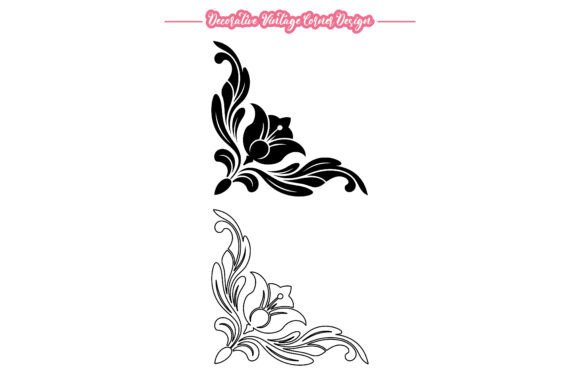
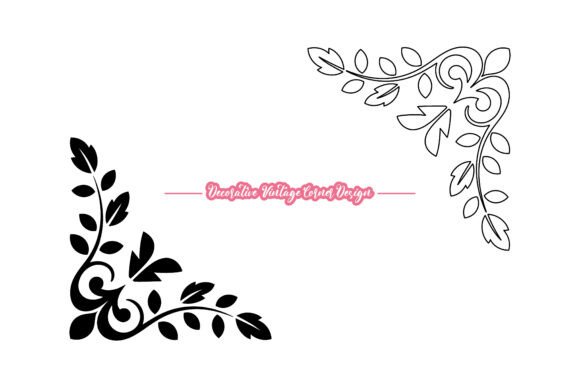
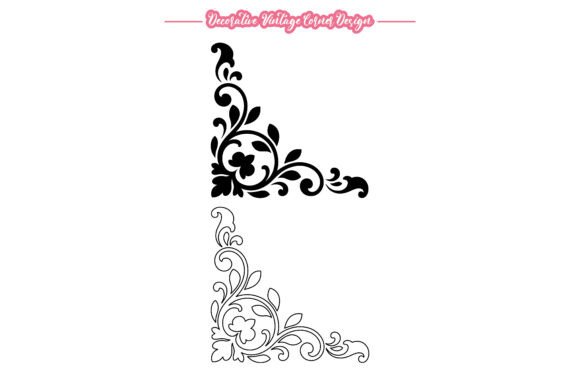
When planning a project, consider the ornament as part of the structural framework rather than an afterthought. During the initial sketching or wireframing phase, determine if your layout requires hard boundaries or soft transitions. A solid scrollwork corner creates a definitive edge, while an outline style offers a more subtle, breathable frame. Making this decision early prevents costly revisions later in the production cycle.
Preparation and File Compatibility
The foundation of a smooth workflow lies in file preparation. The package described includes both EPS and JPG formats, each serving distinct purposes in the design pipeline. Understanding when to use which format is key to maintaining quality control.
- EPS Files for Scalability: The EPS (Encapsulated PostScript) file is the primary asset for professional work. Because it is vector-based, it contains 100 editable shapes that can be scaled infinitely without pixelation. This is critical for large-format printing, such as banners or event backdrops, where resolution loss is unacceptable.
- JPG Files for Rapid Prototyping: The included JPG, rendered at 300 DPI in RGB color mode, is ideal for quick mockups, web previews, or social media teasers. It allows designers to visualize the ornament in context before committing to complex vector editing.
For users working in Adobe Illustrator or similar vector software, the EPS format ensures full compatibility. The fact that the file contains 100 individual vector shapes means that every curve and line is accessible. This level of granularity allows for precise manipulation, ensuring that the ornament aligns perfectly with other design elements.
Implementation in Branding and Identity Projects
One of the most powerful applications of a Decorative Traditional Corner Ornament is in brand identity systems. Consistency is the hallmark of strong branding, and reusable assets like these help maintain visual coherence across various touchpoints.
Consider a luxury boutique or a legal firm seeking to convey tradition and trust. By incorporating elegant scrollwork into their letterheads, business cards, and certificate templates, they create a recognizable visual language. The ability to modify the file means that the color palette can be adjusted to match specific brand guidelines. Instead of using default black or gold, a designer can sample the exact hex codes from the client’s brand book, ensuring seamless integration.
Furthermore, these ornaments can be deconstructed. Since the file includes both solid and outline styles, designers can mix and match components to create unique patterns for packaging or website backgrounds. This flexibility extends the lifespan of the asset, making it a cost-effective addition to any creative library.
Streamlining the Production Process for Print Media
For those involved in publishing, such as creating invitations, menus, or certificates, time management is critical. Using pre-made, high-quality vectors significantly reduces production time compared to drawing custom illustrations from scratch. However, integration requires attention to detail.
- Layer Management: When importing the EPS file into your design software, place the ornament on a separate layer. This allows you to adjust opacity, blending modes, or position without affecting the underlying text or images.
- Color Separation: If the final output is for print, ensure that the RGB colors are converted to CMYK appropriately. While the source file is in RGB, professional printing often requires CMYK profiles to avoid color shifts. The editable nature of the vector shapes makes this conversion straightforward.
- Alignment and Spacing: Use smart guides or alignment tools to ensure the corners are equidistant from the edges. Uneven spacing can disrupt the balance of the design, undermining the elegance the ornament is meant to provide.
By standardizing this process, freelancers and small business owners can handle higher volumes of work without compromising on aesthetic quality. The predictability of using a trusted asset allows for faster turnaround times, which is a competitive advantage in service-based industries.
Enhancing DIY Crafts and Personal Projects
Beyond professional contexts, these ornaments have significant value for hobbyists and educators. Scrapbooking, card making, and DIY home decor benefit greatly from high-resolution digital assets. The 300 DPI resolution ensures that even when printed on home printers, the details remain crisp and clear.
Educators can use these elements to create engaging classroom materials, such as awards or decorative borders for worksheets. The classic style appeals to a wide audience and adds a touch of formality to educational resources. For parents planning events like birthdays or anniversaries, the ability to customize colors means the decorations can match any theme precisely.
The ease of use is a major factor here. Users do not need advanced illustration skills to benefit from the product. Simple drag-and-drop functionality in user-friendly software allows anyone to incorporate professional-grade design elements into their personal projects.
Long-Term Asset Management and Organization
To maximize the return on investment for digital assets, proper organization is essential. When you download the ZIP file containing the EPS and JPG files, take a moment to establish a logical folder structure. Store the assets in a dedicated "Design Elements" or "Vectors" directory, categorized by style or usage.
Tagging files with relevant keywords in your digital asset management system can save hours of search time in future projects. Consider noting the specific characteristics of this ornament, such as "vintage," "scrollwork," and "editable," to facilitate quick retrieval. As your library grows, this discipline becomes increasingly important for maintaining workflow efficiency.
Additionally, keep backups of the original files. While the vector format is durable, having multiple copies ensures that you always have access to the unmodified source material. This is particularly important when collaborating with teams, as it allows different members to start from the same baseline.
Quality Control and Final Review
Before finalizing any project featuring a Decorative Traditional Corner Ornament, conduct a thorough review. Check for overlapping paths or unintended gaps in the vector shapes. Ensure that the color contrasts sufficiently with the background for readability. If the ornament is used in a logo, test it at various sizes to confirm legibility.
Feedback loops are also valuable. Share drafts with colleagues or clients to gauge the emotional impact of the design. Does the ornament enhance the message, or does it distract? Adjustments can be made quickly thanks to the editable nature of the EPS file, allowing for iterative refinement until the desired outcome is achieved.
In conclusion, integrating a Decorative Traditional Corner Ornament into your design workflow is about more than just aesthetics. It is a strategic decision that impacts efficiency, consistency, and brand perception. By leveraging the technical advantages of vector files, maintaining organized asset libraries, and applying thoughtful design principles, professionals and enthusiasts alike can elevate their creative output. Whether for a high-stakes branding campaign or a personal craft project, these versatile elements provide the structure and elegance needed to make a lasting impression.