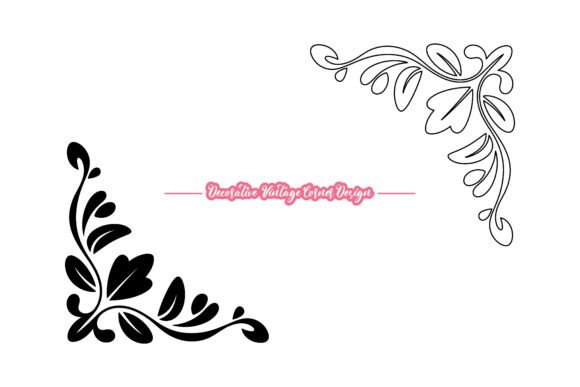
Filigree Vintage Frame: Decorative Baroque Flourish for Timeless Design
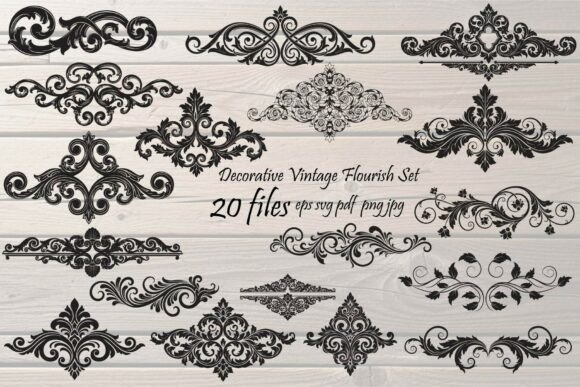
There is a distinct weight to history that modern minimalism often struggles to replicate. When you place a Filigree Vintage Frame. Decorative Baroq element into a design, you are not just adding a border; you are introducing texture, depth, and a narrative of elegance. These intricate designs, characterized by their swirling vines, delicate lace-like patterns, and dramatic flourishes, serve as powerful visual anchors. Whether you are working with high-resolution EPS files for large-scale printing or transparent PNGs for web overlays, understanding how to leverage these assets can transform a flat composition into something that feels curated and expensive.
The appeal of the baroque style lies in its complexity. Unlike simple geometric borders, filigree requires attention. It draws the eye inward, framing the subject matter with a sense of importance. For designers, marketers, and hobbyists alike, having access to these decorative elements in versatile formats like SVG, JPG, and transparent PNG opens up a world of creative possibilities. The key is knowing when to let the frame speak and when to let it support the content quietly.
Elevating Brand Identity and Marketing Materials
In the crowded landscape of digital marketing, standing out often means leaning into aesthetics that evoke trust and luxury. Brands in the beauty, wedding, jewelry, and high-end hospitality sectors frequently utilize filigree vintage frame motifs to communicate sophistication without saying a word. Imagine a skincare brand launching a new anti-aging serum. A clean, white background with a subtle, gold-toned baroque flourish bordering the product image instantly suggests heritage and quality. It tells the consumer that this is not a disposable item, but a crafted experience.
For event planners and invitation designers, these frames are indispensable. Wedding invitations, gala tickets, and anniversary cards rely heavily on the emotional resonance of traditional design. Using a decorative baroque flourish isolated on a white background allows for easy integration into various paper stocks and colors. The isolation ensures that the designer can layer the frame over textured papers, watercolor washes, or solid pastels without worrying about unwanted white boxes or jagged edges. This flexibility is crucial when moving from digital proofing to physical printing, where the crisp lines of an EPS vector file ensure that even the tiniest curl in the filigree remains sharp and defined.
Digital Content and Social Media Aesthetics
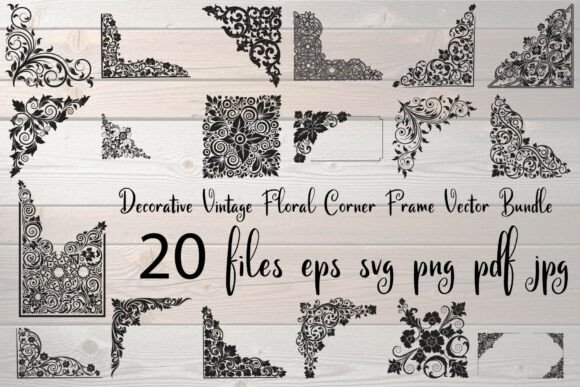
The utility of these assets extends far beyond print. In the realm of social media, particularly on platforms like Instagram and Pinterest, visual consistency is currency. Content creators who focus on lifestyle, literature, or vintage fashion often use decorative baroque elements to create cohesive feed themes. A transparent PNG version of a filigree corner piece can be overlaid on a photo of a classic novel or a cup of coffee, adding a touch of whimsy and structure. This technique helps break up the monotony of standard rectangular posts, creating a scrapbook-like feel that engages followers.
Moreover, video editors and motion graphic designers find immense value in SVG and high-resolution JPG versions of these frames. By animating the growth of a filigree vine or having a baroque border fade in around a title card, creators can add a dynamic yet classical intro to their videos. This is particularly effective for historical documentaries, book reviews, or channels dedicated to classical music. The filigree vintage frame acts as a visual cue, signaling to the audience that the content is thoughtful and refined. The availability of transparent backgrounds makes compositing these elements into video timelines seamless, allowing for professional-grade results without extensive masking work.
Interior Design and Home Decor Applications
While digital files are intangible, their end use often manifests in the physical world. Interior designers and DIY enthusiasts frequently use high-quality prints of baroque flourishes to create custom wall art. A large-scale print of a decorative baroque flourish border isolated on white background can be framed in a deep, ornate wooden frame to create a striking focal point in a living room or hallway. The contrast between the intricate black or gold lines of the filigree and the negative space creates a balanced composition that feels both grand and airy.
Another growing trend is the use of these designs in home textiles. With the right licensing, these patterns can be printed on throw pillows, table runners, or even wallpaper. The repeating nature of some filigree designs makes them ideal for textile applications, while standalone corner pieces can be used to accentuate specific areas of a room, such as framing a mirror or a fireplace mantle. The key here is scale. What looks delicate on a business card may need to be bold and thickened to have impact on a wall-sized canvas. Understanding the resolution limits of JPG versus the infinite scalability of SVG is critical for these large-format projects.
Choosing the Right Format for Your Project
One of the most common pitfalls when working with decorative assets is selecting the wrong file format for the intended medium. Each format offered with a filigree vintage frame package serves a specific purpose. EPS (Encapsulated PostScript) files are vector-based, meaning they can be scaled to any size without losing quality. This is the go-to choice for professional printers, sign makers, and anyone needing to resize the design significantly. If you are sending files to a print shop for wedding invitations or large banners, always provide the EPS.
On the other hand, JPGs are raster images, best suited for web use where file size matters and transparency is not required. They are perfect for quick mockups or digital displays where the background will be solid white. However, the true workhorse for digital designers is the transparent PNG. This format preserves the intricate details of the filigree while allowing the background to remain invisible. This is essential for layering the frame over photos, colored backgrounds, or complex textures in Photoshop or Canva. SVG files bridge the gap, offering vector scalability for web developers who want to embed crisp, lightweight graphics directly into HTML code, ensuring the decorative baroque elements look sharp on any screen resolution, from mobile phones to 4K monitors.
Navigating Design Balance and Limitations
While the allure of ornate design is strong, it comes with the responsibility of restraint. A filigree vintage frame is inherently busy. It competes for attention. Therefore, the content it frames must be simple enough to breathe. Placing a highly detailed photograph inside an equally detailed baroque border can result in visual clutter, making it difficult for the viewer to know where to look. The most successful applications pair these intricate borders with ample negative space and clean, legible typography.
Additionally, consider the cultural and contextual associations of baroque design. It carries connotations of European aristocracy, tradition, and formality. While this is perfect for a law firm’s letterhead or a classical concert program, it might feel out of place for a tech startup aiming for a futuristic vibe or a children’s brand seeking playfulness. Understanding the semiotics of the decorative baroque flourish ensures that the design supports the message rather than contradicting it. When used with intention, these timeless elements do more than decorate; they elevate the perceived value of whatever they touch, bridging the gap between the past and present with graceful precision.