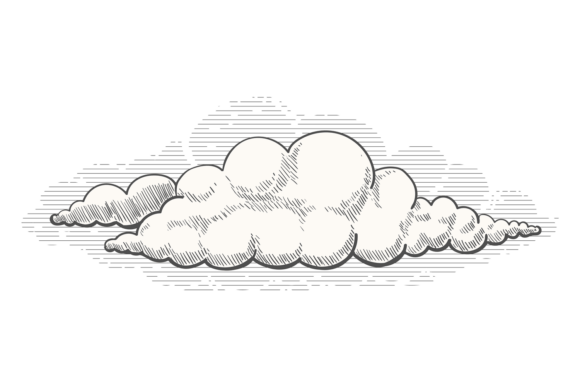
Decorative Cloud Drawing: Outdoor Nature Sky Elements for Design
In the realm of digital illustration and graphic design, decorative cloud drawing has emerged as a versatile asset for creators seeking to evoke tranquility, openness, and natural beauty. These illustrations typically feature stylized representations of cumulus, stratus, or cirrus formations, often isolated on white backgrounds to facilitate easy integration into various projects. Whether you are designing a website header, creating print materials, or developing educational content, understanding the nuances of these sky elements is essential for making informed decisions about your visual strategy.
Understanding Decorative Cloud Illustrations
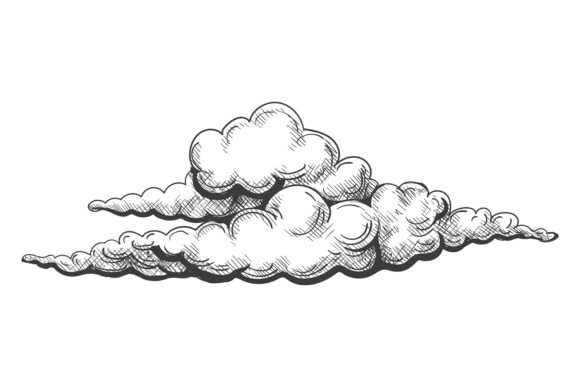
A decorative cloud drawing is not merely a photograph of the sky; it is an interpreted, artistic rendition of outdoor nature. These assets are designed to be functional as well as aesthetic. When described as "isolated on white background," it means the subject is presented without complex scenery, allowing designers to remove the background easily or use the white space as part of the composition. The availability of multiple file formats—such as EPS, JPG, SVG, and transparent PNG—ensures that these drawings can be adapted for both web and print media with minimal technical friction.
The appeal of outdoor nature sky elements lies in their universality. Clouds are recognized globally as symbols of weather, atmosphere, and mood. Unlike specific landmarks or cultural symbols, clouds are neutral yet evocative, making them suitable for a wide range of industries, from healthcare and wellness to technology and education.
Why Choose Vector and Raster Formats?
When selecting decorative cloud assets, the file format is a critical consideration that impacts usability and quality. Understanding the differences between EPS, SVG, JPG, and PNG is vital for aligning the asset with your project requirements.
- SVG (Scalable Vector Graphics): This format is ideal for web design and responsive layouts. SVGs are resolution-independent, meaning they remain crisp at any size. For UI elements or icons, this is often the superior choice.
- EPS (Encapsulated PostScript): Preferred by professional printers and illustrators using software like Adobe Illustrator. EPS files allow for full editability of shapes and colors, offering maximum flexibility for customization.
- Transparent PNG: Perfect for quick compositing in Photoshop or other raster-based editors. The transparency ensures that the cloud blends seamlessly over any background color or image without a visible white box.
- JPG: Suitable for scenarios where file size is a concern and transparency is not needed. However, JPGs do not support transparency and may introduce compression artifacts, making them less ideal for high-end design work.
Benefits of Using Stylized Sky Elements
Integrating decorative cloud drawing into your design workflow offers several practical advantages. First, it provides consistency. Photographs of real skies vary wildly in lighting, color temperature, and composition. Stylized drawings offer a controlled aesthetic that can be matched precisely to your brand’s color palette and style guide.
Second, these elements enhance readability. In web design and presentation slides, busy photographic backgrounds can distract from text. A simple, isolated cloud illustration adds visual interest without competing for attention, helping to guide the viewer’s eye toward key information.
Third, they evoke emotional responses. Soft, rounded cloud shapes are psychologically associated with calmness and safety. For brands in the wellness, insurance, or childcare sectors, these subtle cues can reinforce trust and comfort.
Tradeoffs and Considerations
While versatile, decorative cloud drawings are not a one-size-fits-all solution. One significant tradeoff is the potential for generic appearance. Because many designers access similar stock libraries, there is a risk that your visuals may look familiar or unoriginal. To mitigate this, consider customizing the color hues or combining multiple elements to create unique compositions.
Another consideration is stylistic coherence. A hand-drawn, sketchy cloud may clash with a sleek, minimalist corporate interface. It is crucial to evaluate whether the artistic style of the outdoor nature element aligns with the overall tone of your project. Mismatched styles can disrupt user experience and diminish perceived professionalism.
Additionally, while vector formats like SVG and EPS are highly flexible, they require specific software skills to edit effectively. If your team lacks proficiency in vector editing tools, you may find yourself limited to using pre-rendered PNGs or JPGs, which reduces your ability to tweak the design on the fly.
Ideal Use Cases
There are specific scenarios where decorative cloud drawing assets are particularly effective:
- Educational Materials: Textbooks and e-learning modules often require clear, simplified diagrams of weather patterns. Stylized clouds provide clarity that photographs sometimes lack.
- Web and App Interfaces: Loading screens, error pages, or empty states benefit from friendly, lightweight illustrations. A simple cloud can soften the frustration of a slow connection or missing data.
- Print Packaging: For products emphasizing purity, airiness, or natural ingredients, such as cotton goods or cleaning supplies, cloud motifs reinforce the product’s value proposition.
- Background Textures: When tiled or arranged creatively, these elements can serve as subtle backgrounds for invitations, certificates, or stationery.
When to Consider Alternatives
Despite their utility, there are situations where alternatives may be more appropriate. If your project demands hyper-realism, such as in architectural visualization or high-end travel photography, actual photographs of the sky will always provide greater depth and authenticity. Similarly, if you are aiming for a gritty, industrial, or intense mood, soft cloud illustrations may feel incongruous.
Furthermore, if accessibility is a primary concern, ensure that decorative elements do not interfere with screen readers or contrast ratios. While isolated on white background images are generally safe, placing light-colored clouds over light backgrounds can reduce visibility for users with visual impairments. Always test your designs for compliance with accessibility standards.
Making the Right Selection
To determine if decorative cloud drawing assets align with your goals, start by defining your project’s emotional tone. Do you need something whimsical, professional, or scientific? Next, assess your technical constraints. Will you need to resize the graphics frequently? If so, prioritize SVG or EPS formats. If you need quick drag-and-drop functionality, transparent PNGs may be more efficient.
Finally, consider the longevity of the design. Trends in illustration styles shift rapidly. Opting for classic, simple shapes rather than overly trendy artistic flourishes can ensure that your outdoor nature sky elements remain relevant and effective for years to come. By balancing aesthetic appeal with technical practicality, you can leverage these versatile assets to enhance your creative projects effectively.